
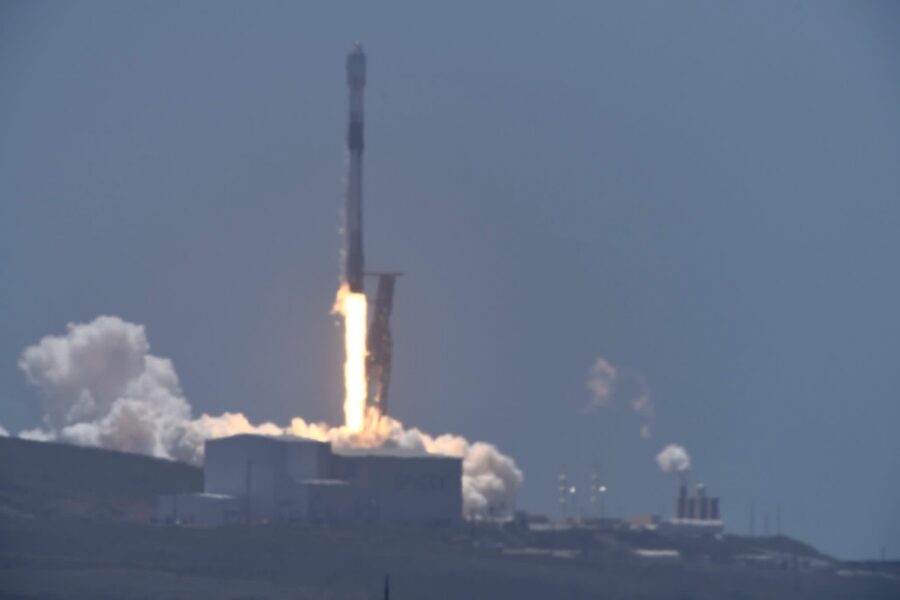
The Space Development Agency placed 21 York Space Systems satellites into low-Earth orbit on July 16, resuming a Tranche 1 Transport Layer launch campaign that had been on hold for months. A SpaceX rocket carried the payload, and with the deployment SDA has now placed roughly half of its planned Tranche 1 constellation in orbit, according to SpaceNews.
The constellation is being built as a mesh network in low-Earth orbit intended to transport data and communications for U.S. military operations. DefenseScoop reported that this launch constitutes the third plane of operational transport satellites — officially closing out the pause that had stretched across several months.
China's Shadow Over the Space Domain
The resumed launch comes as the officer nominated to lead the Space Force offered a stark assessment of the competitive environment driving these investments. During a Senate confirmation hearing on Thursday, the nominee said China's military advancements justify the Space Force's $71 billion budget request, characterizing Beijing's progress on space weapons as moving at a "breathtakingly fast" pace. Air & Space Forces Magazine reported that the nominee, if confirmed, will likely oversee significant growth in both Space Force manpower and equipment to address the threat. Defense One noted the hearing was short and largely uncontentious, suggesting broad Senate comfort with the nominee's posture★.
The pairing of a resumed satellite-network buildout with an urgent warning from the prospective Space Force chief underscores the institutional pressure on programs like SDA's Transport Layer: delays, even those caused by technical problems rather than budget disputes★, carry strategic weight when the gap between U.S. and Chinese space capability is a live policy concern.
Navy Procurement Dispute Over Autonomous Vessels
In a separate but telling illustration of defense procurement friction, two companies — Blue Water Autonomy and Saildrone — filed lawsuits against the Navy over its new Medium Unmanned Surface Vehicle marketplace. Both companies contend their proposals satisfied the Navy's stated requirements for the program but were nonetheless excluded★, according to Breaking Defense. The legal challenges signal growing tension between the Navy's approach to structuring its autonomous maritime vendor pool and the companies competing to supply it.
The MUSV program is distinct from the space-based efforts underway at SDA and Space Force, but the parallel disputes — technical setbacks delaying satellite networks, procurement disputes threatening to exclude competitors from autonomous vessel contracts — reflect a common theme: the U.S. military's push to field advanced, resilient systems across domains is running up against the practical difficulties of acquisition and technology at scale. How both sets of disputes are resolved will shape the industrial base available to support the next generation of military capability.
★ AI inference: One or more analytical conclusions in this article were drawn by the AI from cited facts and are not directly stated in the cited sources.