
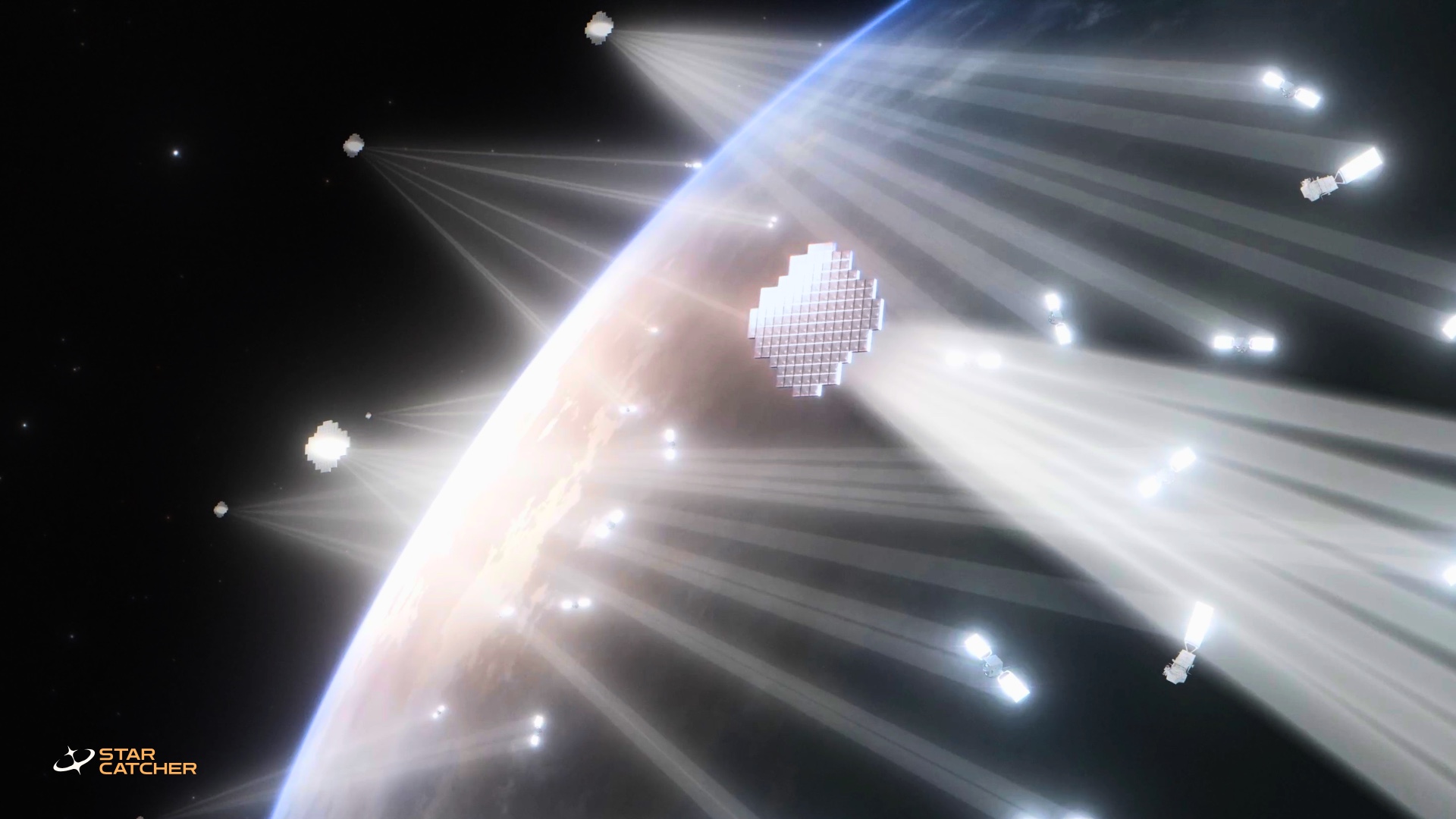
The Defense Innovation Unit issued a notice in mid-July seeking commercial proposals to demonstrate space-based power beaming, setting a two-year window for an initial demonstration and a 2030 deadline for an operational capability that can transmit electrical power both between spacecraft and from orbit to the ground.
The solicitation marks a deliberate push to pull space power beaming out of laboratory research and into active military use. DIU is pursuing a commercial path to get there, reflecting the agency's broader model of leveraging private-sector innovation to accelerate defense technology development rather than relying solely on traditional defense contractors or government research programs.
Why the Military Wants Wireless Power From Space
One of the clearest drivers behind the effort is the on-board power problem that constrains what satellites can actually do. According to DIU's July 15 notice, Space Power Beaming could help overcome existing limitations on how much power individual spacecraft can carry and generate — limitations that in turn restrict the technologies those satellites are able to support. The ability to receive power wirelessly from another spacecraft or from a dedicated power-beaming satellite would allow future military systems in orbit to run more capable sensors, communications payloads, or processing hardware without being bound by what their own solar panels and batteries can supply.
The space-to-ground dimension of the capability adds a separate and strategically significant use case.
Timeline and Commercial Strategy
DIU's two-year demonstration requirement sets a near-term test that will require participants to move quickly. The agency's 2030 operational target gives a roughly two-year runway from demonstration to fielded capability★ — an aggressive schedule for a technology that has been studied for decades without reaching operational status★. By framing the effort as a commercial solicitation, DIU is signaling that it believes the private sector has matured enough in areas like wireless power transfer and small satellite design to close that gap★.
Whether commercial vendors can meet DIU's near-term demonstration bar will go a long way toward determining if the 2030 target is achievable.
★ AI inference: One or more analytical conclusions in this article were drawn by the AI from cited facts and are not directly stated in the cited sources.