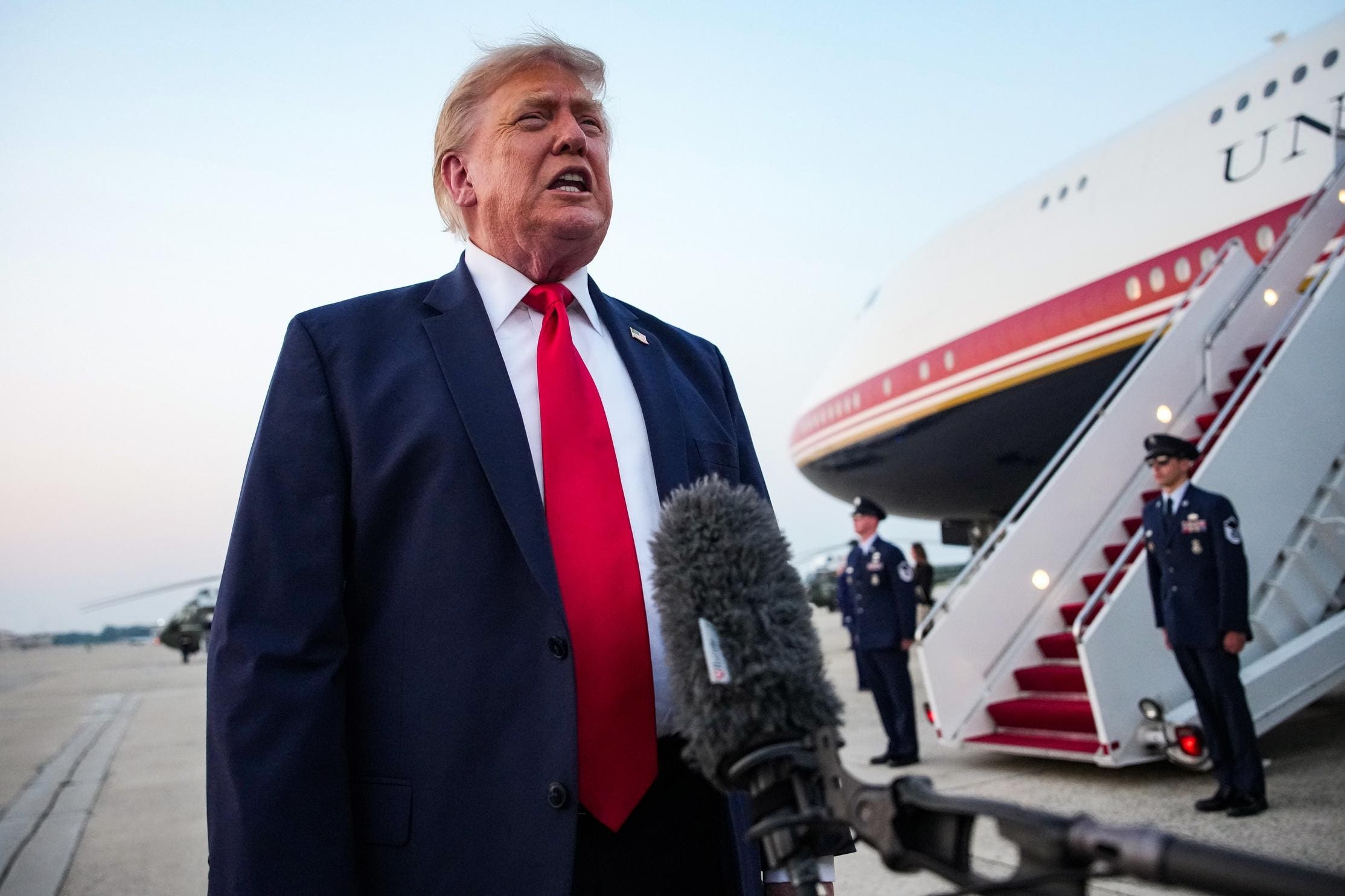
The troubled Air Force One replacement program has drawn renewed scrutiny on two fronts: Boeing confirmed it anticipates further cost growth to meet a 2028 delivery date, and the U.S. Air Force is preparing to take the Qatar-gifted 747 presidential jet offline for what President Trump described as "maxed out" upgrades.
Boeing's defense chief acknowledged that expenses will climb further as the program moves through final assembly, with wiring completion and structural work identified as areas driving additional costs. The program is already years behind its original schedule and billions of dollars over its initial budget. Boeing nonetheless maintains that 2028 delivery of the two replacement aircraft remains achievable, a position echoed by reporting from both Breaking Defense and the Honolulu Star-Advertiser.
The Qatar Jet and L3Harris Modifications
Separately, According to Breaking Defense and Forbes, the forthcoming modifications stem from concerns that the jet was initially converted too rapidly, leaving gaps in its defensive systems compared with the existing Air Force One aircraft. Trump publicly noted that the plane's self-defense capabilities — including on-board missile defense — did not meet the standard of older presidential jets, framing the upgrade as necessary to bring it to full operational parity★.
Broader Acquisition Pressures
The dual Air Force One storyline unfolds against a wider backdrop of procurement strain within the service. Air Force Chief of Staff Gen. Kenneth Wilsbach recently discussed his concerns about delayed programs including the F-35 and the T-7 trainer jet★, underscoring that presidential aircraft are not the only flagship platforms wrestling with schedule and cost pressures★. Together, these cases illustrate a persistent pattern in major defense acquisitions: original timelines erode, costs accumulate through final integration phases, and corrective modifications can themselves generate downstream rework.
★ AI inference: One or more analytical conclusions in this article were drawn by the AI from cited facts and are not directly stated in the cited sources.