
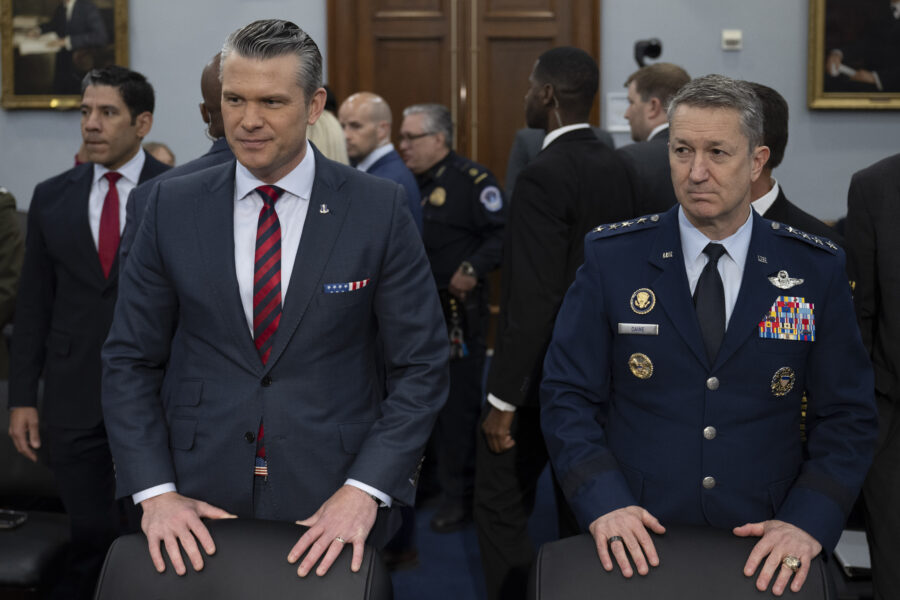
Defense Secretary Pete Hegseth told a Senate committee on July 21 that the ongoing Iran War has cost the Department of Defense $37.5 billion to date — and that the Pentagon needs an additional $67.1 billion in emergency supplemental funding to continue operations without degrading the force.
This represents the official Pentagon position on the budget pressure the war is generating.
Training on the Chopping Block
Hegseth's sharpest warning to lawmakers was not about the price tag itself but about what happens if Congress does not act. Without the supplemental funding, he said, the military will have to "curtail" training in order to cover existing war costs from baseline defense budgets. That is a significant concession: diverting funds from training to operational expenditures erodes readiness across the force, not just in the theater of active conflict. The warning signals that the war's financial burden has grown large enough to force trade-offs between sustaining current operations and maintaining the broader military's preparedness for other contingencies.
Scale of the Request
The $67.1 billion emergency request is roughly 1.8 times the $37.5 billion the Pentagon says it has already spent on the conflict★ — an indication that planners anticipate costs accelerating, or that the supplemental is meant to cover a longer projected duration of operations★. Hegseth made the request directly to senators, framing it as urgent rather than discretionary★. The gap between what has been spent and what is now being requested underscores how quickly the war's fiscal footprint has grown★ and places Congress in the position of deciding how much further to extend the Pentagon's war chest under emergency authorities.
★ AI inference: One or more analytical conclusions in this article were drawn by the AI from cited facts and are not directly stated in the cited sources.