
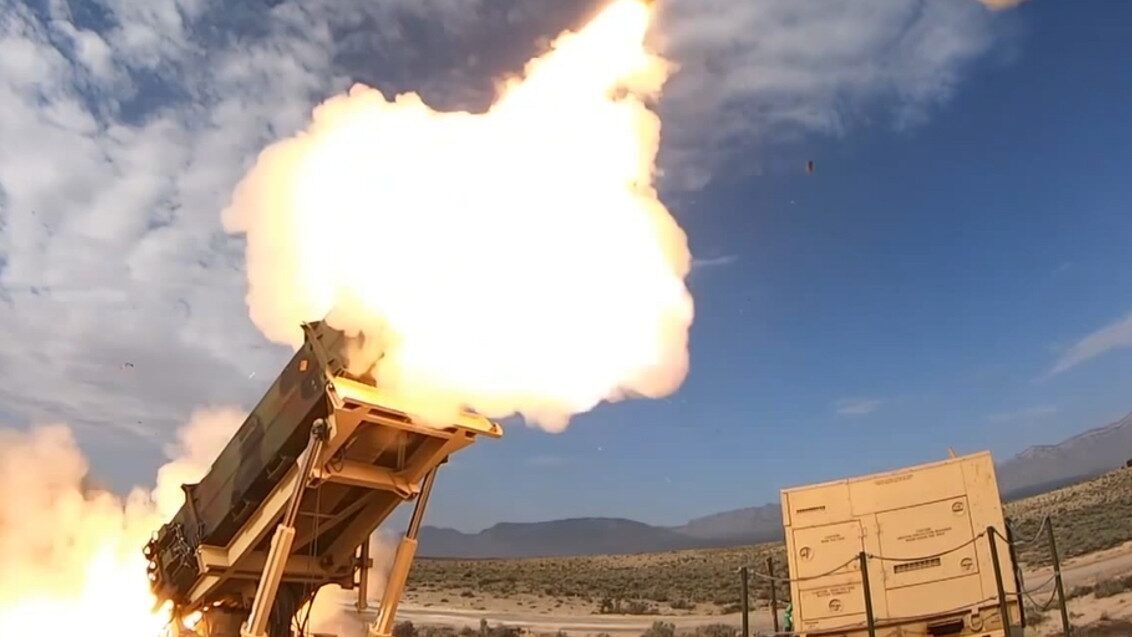
What began as a presidential pledge is now a live policy question inside the Pentagon. President Trump announced in early July that the United States would grant Ukraine a license to produce Patriot interceptors, framing the move alongside ongoing efforts to bring the war to a negotiated close.
The Defense Department has since been working through the operational specifics. A DoD official told Breaking Defense on July 29 that the Pentagon is evaluating a set of courses of action that include a mix of domestic and international sourcing for the end units — language that leaves open whether production would be seated in Ukraine, with allied partners, or some combination of both★.
Coproduction as a Strategic Pivot
The Patriot licensing discussion reflects a broader shift in how Washington is approaching allied support and stockpile replenishment.
That industrial pressure is also accelerating investment in AI-driven manufacturing capabilities. A sponsored Breaking Defense post published the same day as the Patriot story argued that developing a truly predictive defense-industrial base depends on integrating AI-enabled workflows across supply chains and production planning★ — while cautioning that cybersecurity safeguards and governance frameworks must advance in parallel to avoid introducing new vulnerabilities alongside the efficiency gains★.
Taken together, the Patriot licensing effort and the push for AI-modernized production signal a meaningful reorientation in U.S. defense-industrial strategy: away from a predominantly domestic, vertically integrated manufacturing model and toward one that distributes production across trusted partners while using advanced technology to compress timelines. How the Pentagon ultimately structures the Patriot arrangement — and which partners are included — will likely set precedents for similar decisions on other high-demand systems as the war in Ukraine continues.
★ AI inference: One or more analytical conclusions in this article were drawn by the AI from cited facts and are not directly stated in the cited sources.