
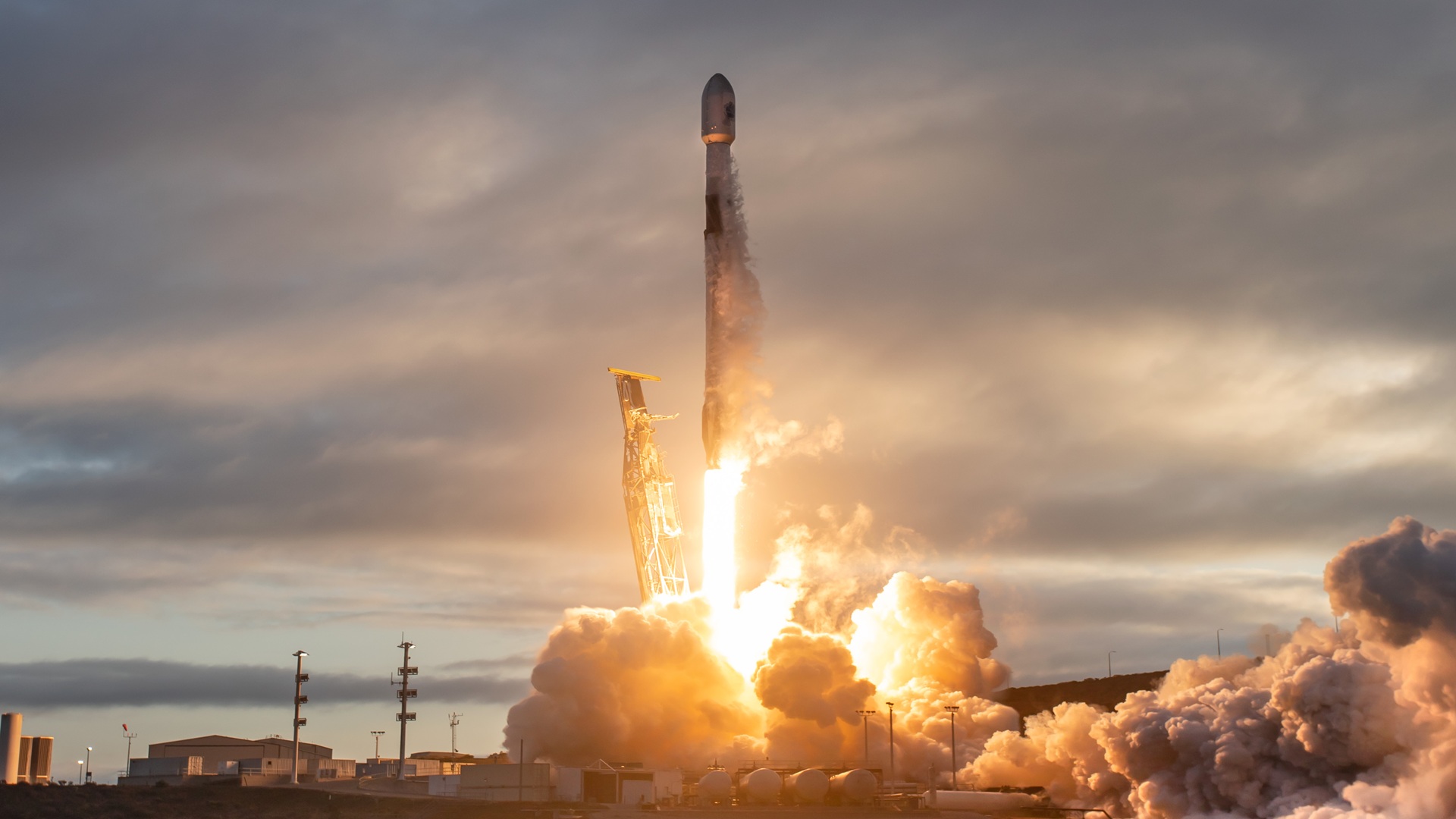
The U.S. Space Force awarded SpaceX a $1.6 billion task order on July 29, 2026, to conduct 18 Falcon 9 launches carrying military satellites designed to detect and target airborne objects. The award marks the first contract issued since the Space Force received a major $11.4 billion funding increase announced on July 17, signaling that the Pentagon is moving quickly to convert that budget windfall into operational capability.
The launches are scheduled to be completed through 2027, placing the program on an aggressive timeline. The satellites are described as serving sensing and targeting roles — functions that sit at the heart of tactical intelligence, surveillance, and reconnaissance (ISR) operations. By placing those capabilities in orbit, the Space Force is extending the reach of battlefield awareness beyond what ground- or air-based sensors can provide, enabling commanders to identify and track threats across wide areas in close to real time★.
A Significant Expansion of Military Space ISR
The contract is notable not only for its size but for what it represents about the direction of U.S. military space policy. Orbital sensing platforms offer persistent, wide-area coverage that complements existing ISR assets, and coupling them with targeting functions points toward a tighter integration between space-based data and tactical decision-making on the ground★. The specifics of which Space Force program office is sponsoring the satellites, or the precise orbital regime they will occupy, were not detailed in available reporting.
For SpaceX, the award continues a streak of major Defense Department contracts in 2026. An 18-mission commitment from the Space Force underscores both the Pentagon's reliance on commercial launch providers and SpaceX's dominant position in that market★.
★ AI inference: One or more analytical conclusions in this article were drawn by the AI from cited facts and are not directly stated in the cited sources.