
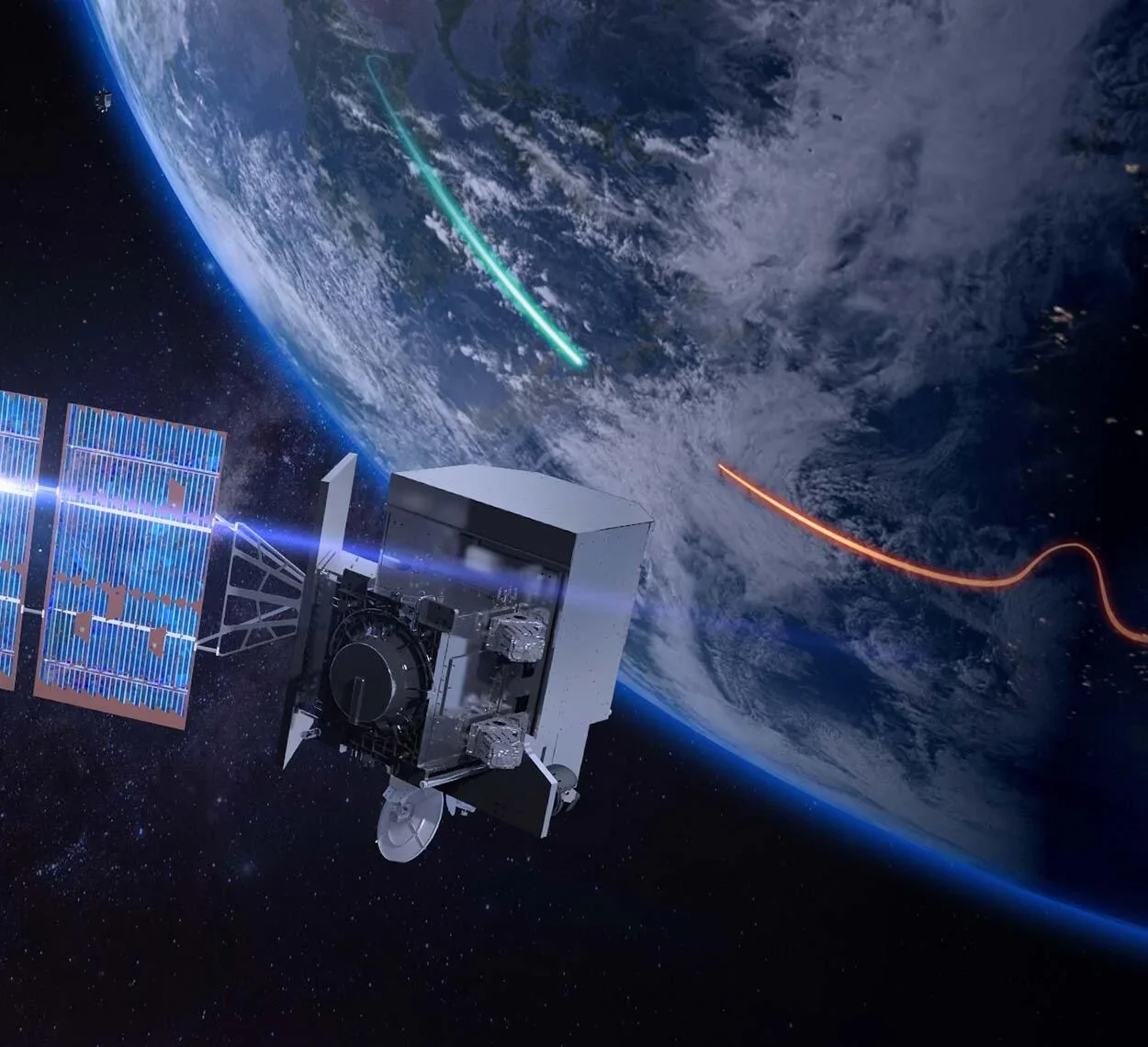
The U.S. Space Force announced on July 31, 2026 that it has selected Johns Hopkins University's Applied Physics Laboratory (APL) to serve as technical direction agent for the Space-Based Interceptor (SBI) program, a key element of the Pentagon's broader effort to field orbital missile defense capabilities under the "Golden Dome for America" strategic initiative.
APL's role is explicitly technical and architectural rather than competitive. With at least 12 companies currently vying to develop space-based interceptor systems, the Space Force needed an institution capable of setting common interface standards and ensuring the competing designs would ultimately work together★. By installing a nonprofit research laboratory — rather than a defense prime — as the technical authority★, the service is positioning APL to write the rules that prevent incompatible orbital weapons systems from emerging out of a fragmented industrial competition.
What APL Will Actually Do
As technical direction agent, APL takes on responsibility for system architecture oversight: defining the interface requirements and technical standards that all SBI competitors must meet. This is a coordination and standards role that is distinct from the development contracts themselves, meaning APL will shape what gets built without building it★.
For the SBI program specifically, the stakes of misaligned standards are high: space-based interceptors operating in orbit must be able to function within a shared architecture, and incompatibilities discovered late in development could delay or compromise the entire missile defense layer.
Golden Dome Context
The SBI program sits within the "Golden Dome for America" initiative, a strategic framework for layered missile defense that includes space-based components★. The Space Force's decision to formalize the technical direction role at this stage suggests the program is moving past early concept work toward the architecture-setting phase that precedes hardware development and procurement. APL's appointment is, in that sense, a milestone in the program's maturation — not yet a weapons deployment, but an institutional signal that the engineering foundation is being laid in earnest.
No timeline or cost details were disclosed in the Space Force announcement★.
★ AI inference: One or more analytical conclusions in this article were drawn by the AI from cited facts and are not directly stated in the cited sources.