
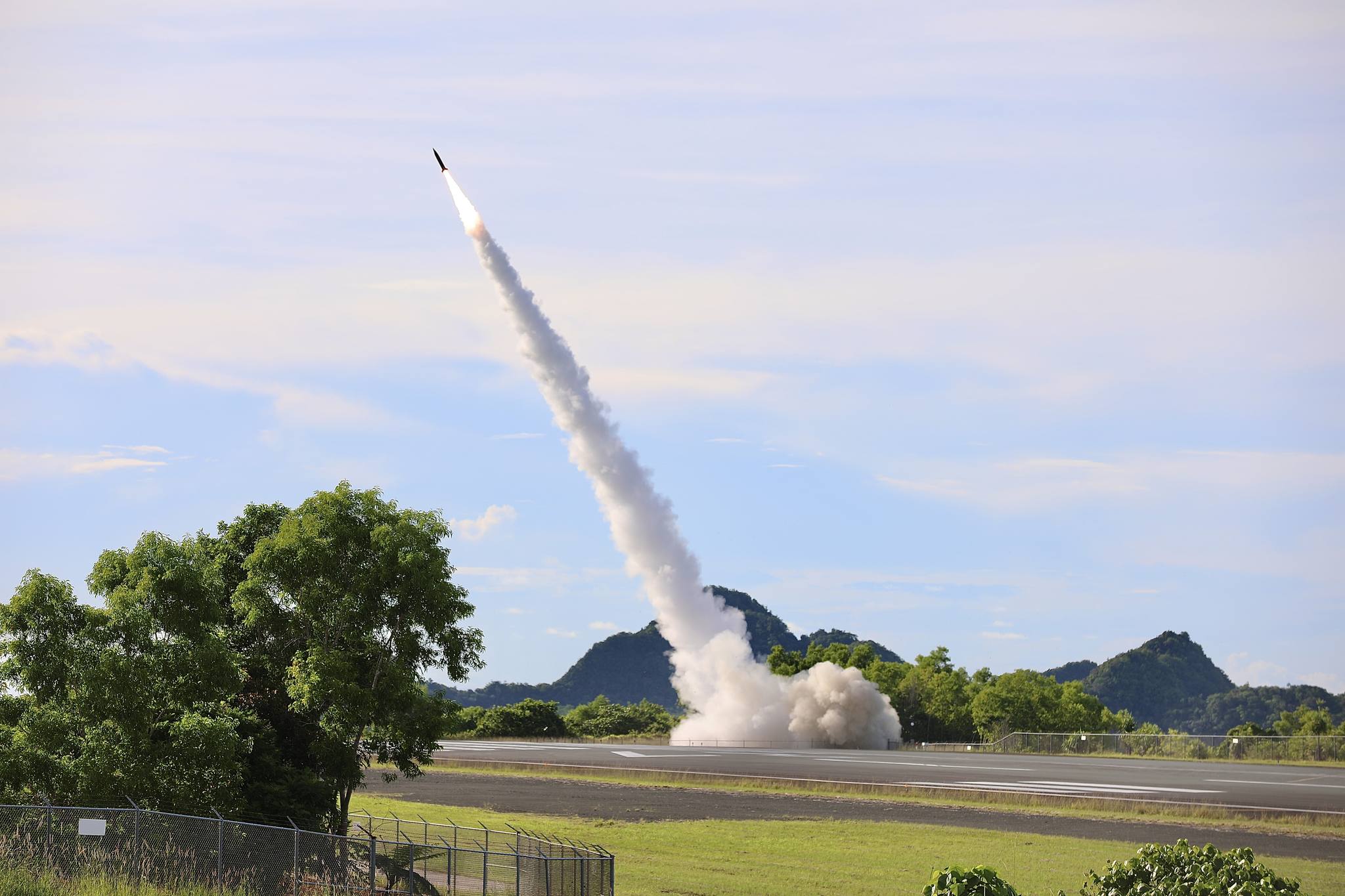
The U.S. Army has consumed virtually all of its stockpile of highly accurate, long-range precision missiles over the course of its roughly five-to-six-month conflict with Iran, according to multiple military and defense sources cited in reporting published August 4, 2026. The disclosure, which originated with Reuters and was subsequently confirmed across Defense News, Military Times, Air Force Times, CNBC, and Mediaite, marks a significant benchmark in how rapidly advanced munitions inventories can be drawn down in sustained high-intensity combat.
The missiles in question are precision-guided, surface-to-surface systems. Expending the near-entirety of that stockpile within a single conflict theater, over a period of less than half a year★, underscores both the operational tempo of the Iran campaign and the structural tension between high-end precision warfare and the pace at which the defense industrial base can replenish such systems.
Internal Alarm and Strategic Risk
According to CNBC, supply figures have been circulating inside the federal government in recent days, prompting tense internal discussions within the Trump administration about how much longer the United States can sustain its strike campaign against Iran before the stockpile drops to levels that would constrain the military's ability to respond to other crises or contingencies elsewhere in the world. That framing — the risk of a two-theater shortfall — captures the core strategic concern: resources consumed fighting one adversary may not be available if a second front or unexpected emergency materializes★.
The depletion of precision long-range strike capacity is not merely a logistics problem.
★ AI inference: One or more analytical conclusions in this article were drawn by the AI from cited facts and are not directly stated in the cited sources.