
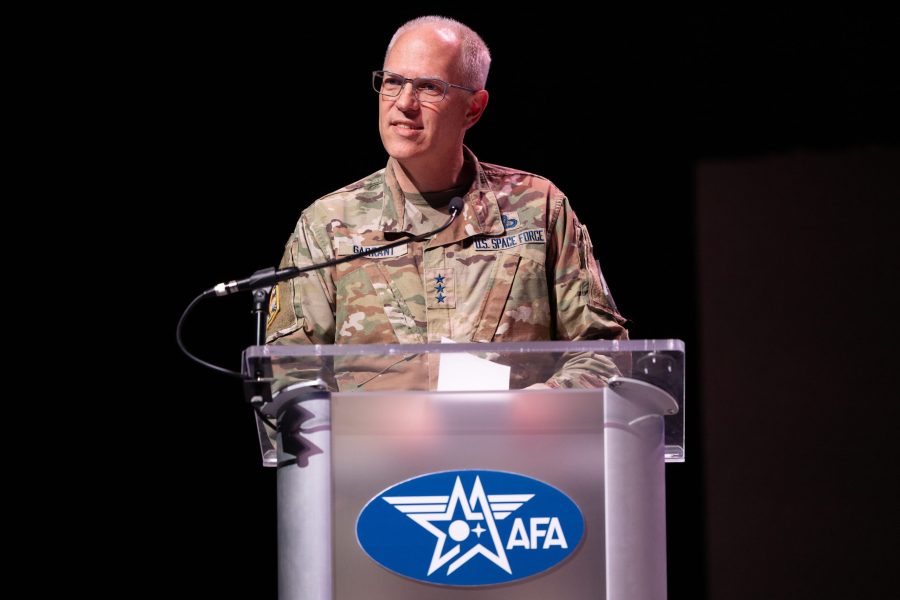
The Space Force is in the early stages of a multi-year effort to fundamentally restructure how it acquires space systems—and the officer leading its acquisition field command has identified execution risk as the central concern to manage along the way.
The reforms touch nearly every phase of the acquisition lifecycle, from the initial setting of requirements through program management and, ultimately, the fielding of systems to operators. Because the changes are being rolled out over several years rather than all at once, leadership faces the challenge of sustaining delivery momentum on existing programs while simultaneously rebuilding the institutional machinery responsible for those deliveries.
Structural Changes Already in Motion
Implementation began in January, when the service stood up its first Portfolio Acquisition Executives, or PAEs—a new layer of organizational structure designed to bring coherent oversight to related program groupings. The initial two PAEs covered space access and space-based sensing and targeting. Additional portfolios followed in the months after, with DefenseScoop reporting in March that the service was continuing to expand the PAE construct as part of its broader reform agenda tied to direction from Defense Secretary Pete Hegseth.
The PAE model represents a deliberate shift away from managing programs in relative isolation, aiming instead to create shared accountability across families of systems with overlapping operational purposes. Whether that structure improves coordination or introduces new bureaucratic friction is precisely the kind of question acquisition leaders say they are watching closely as the model matures.
A Philosophy Built Around Speed
Complementing the structural changes is a shift in fielding philosophy championed by Chief of Space Operations Gen. Chance Saltzman★. In remarks reported by Breaking Defense in April, Saltzman called on Space Force acquirers and operators to collaborate around the concept of "minimum viable capabilities"—delivering useful functionality to warfighters as early as possible rather than holding programs to a standard of complete requirements satisfaction before any system reaches the field. The approach reflects a broader recognition that the pace of threat development in the space domain may outstrip traditional acquisition timelines if the service does not adapt its expectations about what constitutes a ready product.
That philosophy, if successfully embedded in program culture, could ease some of the execution risk that leadership is monitoring: programs that are designed from the start to deliver incremental capability are arguably less vulnerable to the disruption that large-scale organizational change can introduce. Still, aligning acquirers, operators, and requirements writers around a shared standard of "minimum viable" is itself a significant management challenge, particularly during a period when the roles and reporting lines of those groups are in flux.
The Space Force's ability to hold program timelines steady while reorganizing the offices responsible for them will serve as a practical test of whether institutional reform and operational continuity can coexist—a question that acquisition leadership has signaled it intends to answer carefully rather than assume away.
★ AI inference: One or more analytical conclusions in this article were drawn by the AI from cited facts and are not directly stated in the cited sources.