
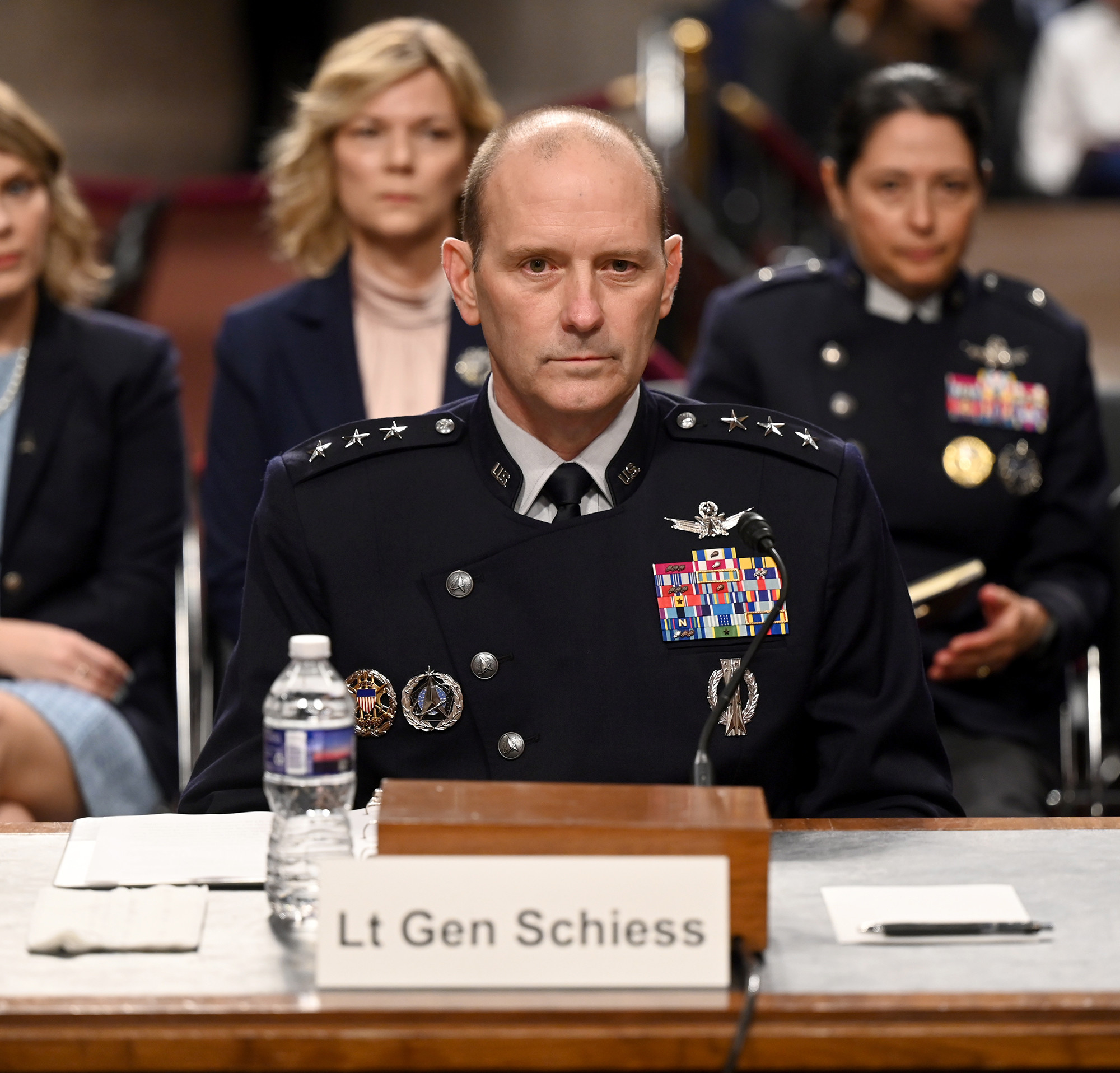
Lt. Gen. Douglas Schiess was unanimously confirmed by the U.S. Senate on August 6, 2026, to become the third Chief of Space Operations in the Space Force's history. Upon assuming the role, he will be elevated to a four-star general — a promotion that marks both a personal milestone and a signal of the service's continuing maturation since its establishment in 2019.
Schiess steps into command as the Space Force pursues an ambitious agenda of institutional growth and acquisition reform. According to reporting from Breaking Defense, he inherits a service that is already larger than when it was founded and has plans to expand further, while grappling with workforce development and a complex procurement environment. SpaceNews noted the new chief will also contend with the Golden Dome missile defense initiative, which has introduced new mission demands on the service's space-based architecture★.
Congress Pushes China-Focused Reforms
The confirmation coincides with a bipartisan legislative push to better prepare the Space Force for potential conflict with China. Senators Catherine Cortez Masto and Katie Britt have introduced a bill that would expand space wargaming exercises and require an unclassified assessment of China's commercial space sector, according to SpaceNews. The proposal reflects growing concern on Capitol Hill that the Space Force's training pipelines and competitive intelligence efforts need to keep pace with Beijing's rapidly developing dual-use satellite capabilities★.
Schiess now leads a service that sits at the intersection of those pressures: rapid institutional scaling, an evolving commercial-military partnership, and the need to develop doctrine and training for great-power competition in orbit. His unanimous confirmation suggests broad Senate consensus that the Space Force's strategic direction is sound★ — though translating that political support into acquisition outcomes and operational readiness will fall to the new chief.
★ AI inference: One or more analytical conclusions in this article were drawn by the AI from cited facts and are not directly stated in the cited sources.