
The U.S. Senate on August 7, 2026, confirmed leaders for three high-stakes national security positions: Pentagon comptroller, military space acquisition chief, and director of the National Reconnaissance Office. The votes resolve leadership gaps that defense analysts and lawmakers had flagged as risks to continuity in both defense budgeting and the nation's expanding space and satellite programs.
Filling the Vacancies
Among the most consequential confirmations was the Pentagon comptroller, a post that had sat without a Senate-confirmed occupant for roughly 18 months. — a function that carries particular weight as Congress and the Pentagon negotiate funding levels in an environment of continuing resolutions and shifting defense priorities.
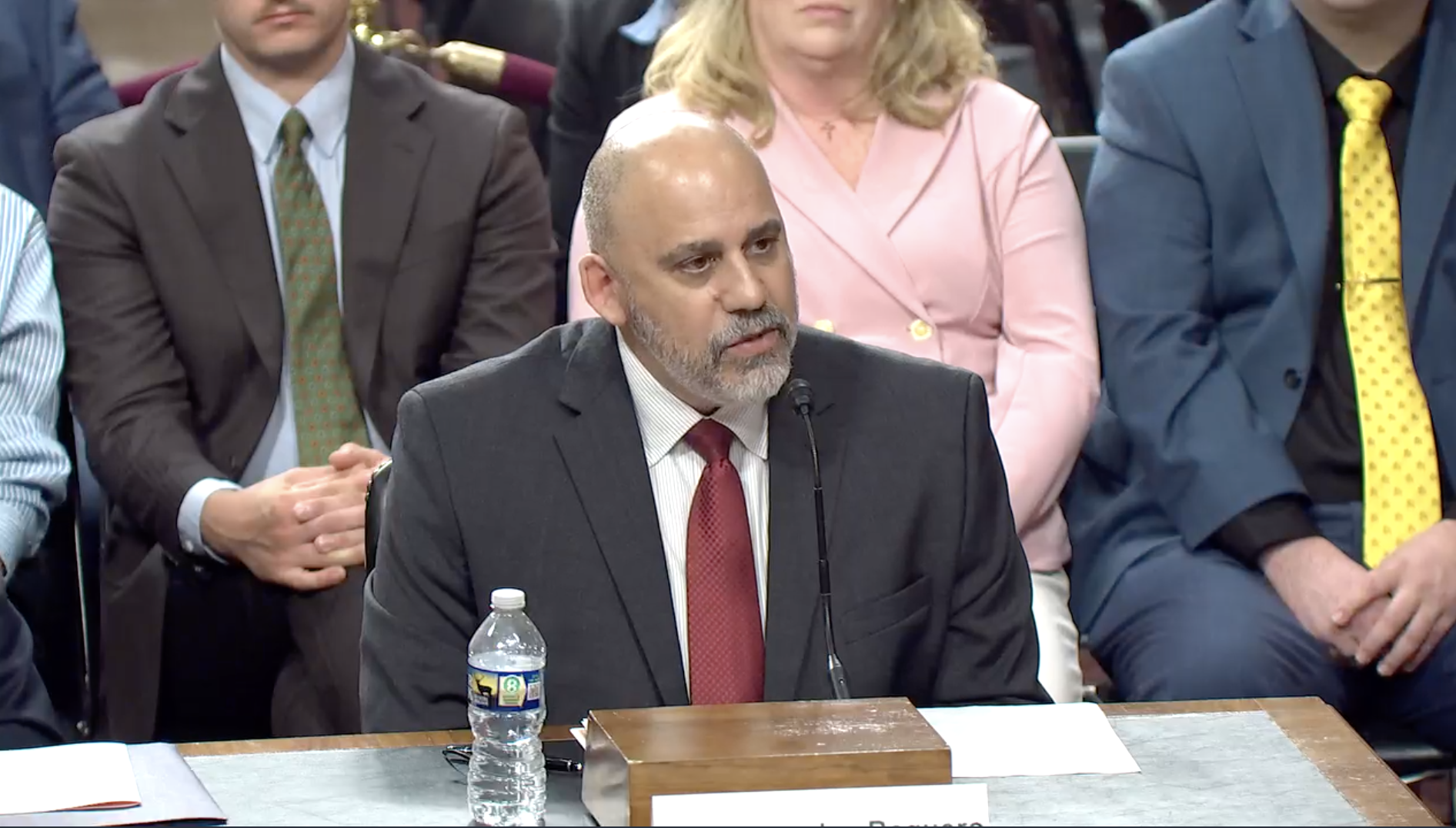
On the space side, the Senate confirmed Erich Hernandez-Baquero to lead military space acquisition, placing an industry veteran in charge of how the Pentagon designs, contracts for, and fields its next generation of military satellites and space systems. Roger Mason, previously the first assistant director of national intelligence for systems and resource analyses at the Office of the Director of National Intelligence, was confirmed as NRO director. Together, the two appointments put experienced hands at the top of what SpaceNews described as major parts of the U.S. national security space enterprise, at a moment when Washington is accelerating satellite spending and rethinking acquisition approaches.
Budget Uncertainty Persists
The confirmations arrive against a backdrop of unresolved congressional budget work. The House and Senate have each passed separate versions of a continuing resolution to keep the government funded past the October 1 start of the new fiscal year, but the two chambers have yet to reconcile those bills into a single piece of legislation. Until they do, federal agencies — including the Defense Department — face the constraints that typically accompany stopgap funding.
For the newly confirmed space acquisition chief and NRO director, that budget uncertainty is an immediate operational reality.
The confirmation of a comptroller after 18 months of vacancy is similarly significant on that front.