
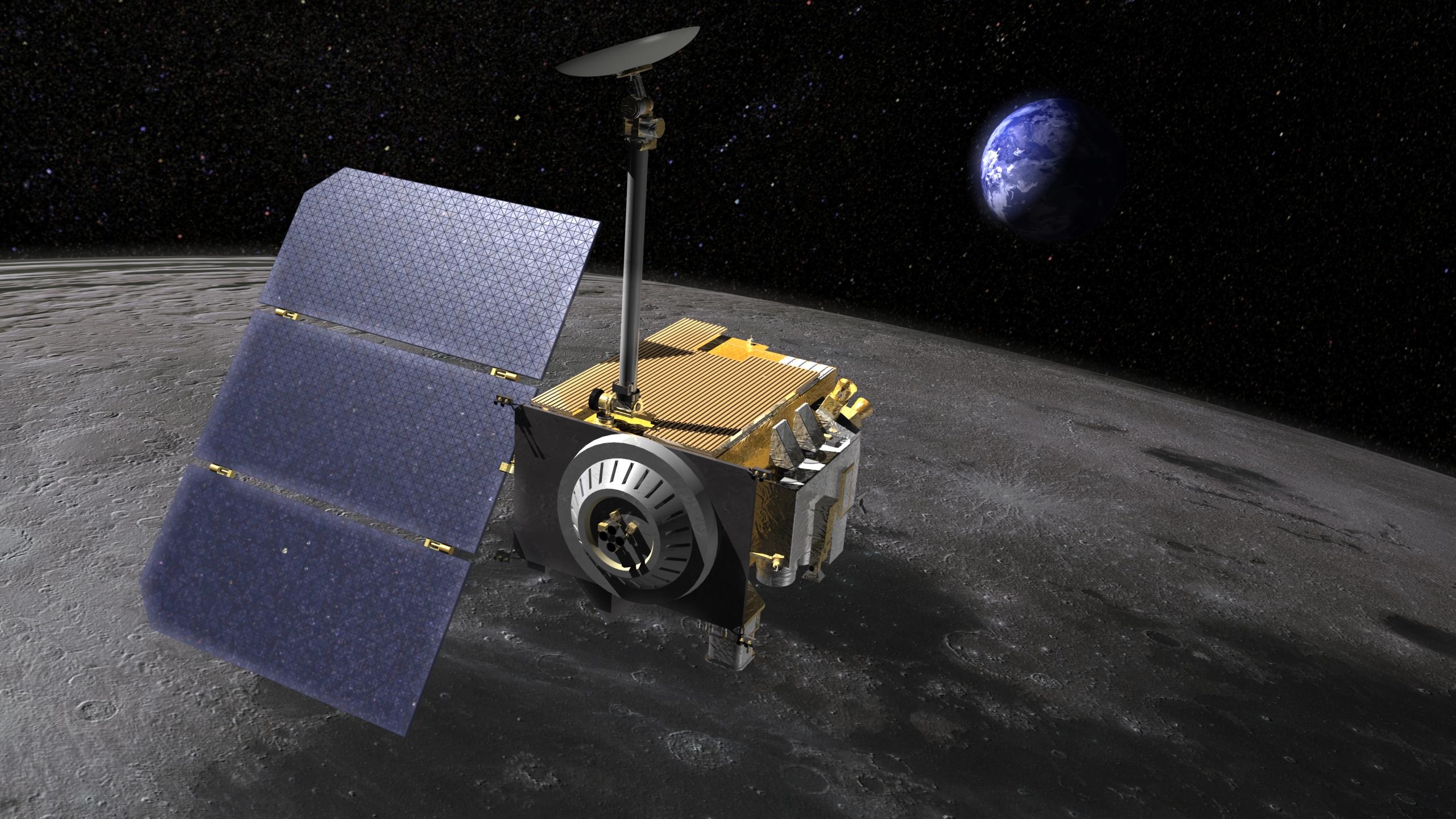
NASA is accelerating its use of commercial partnerships for lunar exploration, with three new mission task orders planned through its Commercial Lunar Payload Services (CLPS) program before the end of the year. The awards signal that the agency's strategy of buying lunar services from industry rather than developing them in-house is moving into a more mature and expansive phase.
Three Missions, One Major Transition
Among the upcoming CLPS task orders is a lunar orbiter intended to take over functions currently handled by the Lunar Reconnaissance Orbiter. According to details from Intuitive Machines' second-quarter 2026 earnings call, the orbiter surveyor mission—aimed at mapping the Moon—is expected to have a draft request for proposals issued in early fall. Two additional lander mission task orders also have draft RFPs circulating this summer. Intuitive Machines further noted the anticipated rollout of a CLPS 2.0 multi-award indefinite-delivery, indefinite-quantity contract with an estimated value exceeding $10 billion, suggesting NASA intends to sustain and significantly scale its commercial lunar procurement model well into the next decade★.
The commercial services approach at the center of NASA's lunar strategy shifts risk and development costs to industry while giving the agency flexibility to purchase specific capabilities as needed.
Wallops Gears Up for Increased Traffic
On the launch infrastructure side, Wallops Island Flight Facility on Virginia's Eastern Shore is preparing for a projected surge in launches in the coming years. Industry stakeholders and officials have been vocal about the need for facility upgrades and infrastructure investment to accommodate the anticipated increase in cadence. A recent Wallops Industry Day event underscored the facility's growing economic footprint, with representatives citing more than $300 million in investment flowing into Virginia, Maryland, and commercial partners connected to the site.
The convergence of more CLPS missions, a broadening CLPS 2.0 contracting vehicle, and rising commercial launch demand places real pressure on domestic launch and support infrastructure. Wallops, which serves as a launch point for several commercial operators and government missions★, would need corresponding capacity improvements to avoid becoming a bottleneck as activity increases.
Taken together, the CLPS expansion and the Wallops build-up reflect a civil space industrial base being asked to carry more of the operational load for NASA's lunar ambitions—and signaling that near-term investment in both hardware and facilities will be necessary to meet that demand.
★ AI inference: One or more analytical conclusions in this article were drawn by the AI from cited facts and are not directly stated in the cited sources.