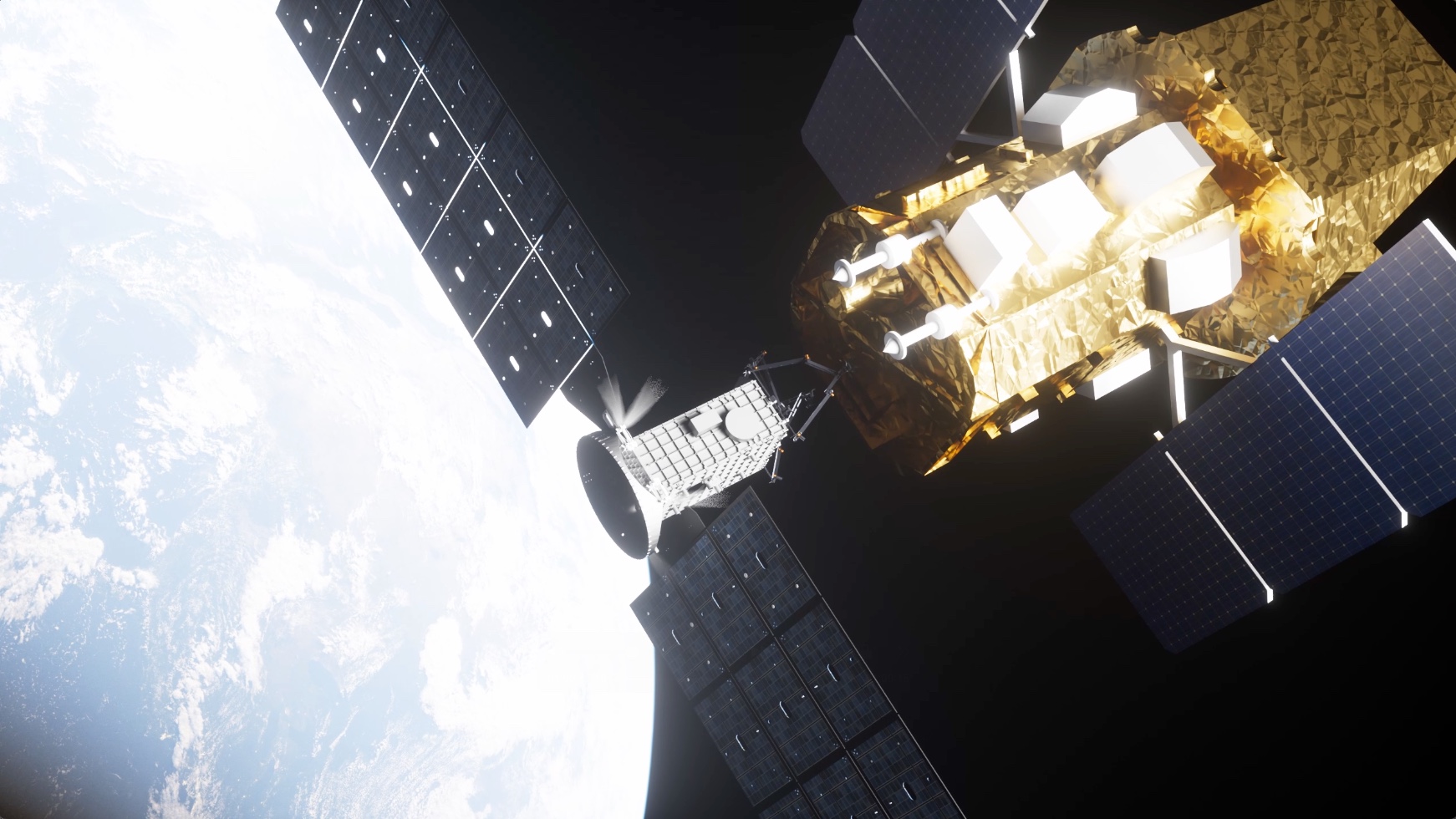
NASA and Katalyst Space announced Wednesday, August 19, 2026, that they are scrapping the central objective of the LINK spacecraft's mission: using the commercial vehicle to capture NASA's Neil Gehrels Swift Observatory and boost it to a higher orbit. The decision, announced jointly by the two partners, was driven by unresolved attitude control problems aboard LINK that make a safe rendezvous, capture, and reboost maneuver infeasible.
A Mission Scaled Back, Not Entirely Abandoned
Despite the cancellation of the reboost, LINK will still attempt a more limited set of activities. The spacecraft is expected to conduct rendezvous and proximity operations with Swift, giving engineers and mission planners some useful data on close-approach procedures even if the primary objective is off the table★. That residual effort preserves some operational and technical value from the mission★, though it falls well short of what the partnership originally set out to achieve.
Implications for NASA's Commercial Servicing Approach
The cancellation carries broader significance beyond the fate of a single observatory. A successful Swift reboost would have validated that model in practice.
The announcement does not appear to represent a wholesale retreat from NASA's commercial servicing ambitions, but it underscores that hardware reliability is a prerequisite before the strategy can mature. For Katalyst Space, the setback raises questions about the LINK system's readiness, though the company retains an opportunity to demonstrate at least its proximity operations capability in the reduced-scope phase of the mission.
★ AI inference: One or more analytical conclusions in this article were drawn by the AI from cited facts and are not directly stated in the cited sources.