
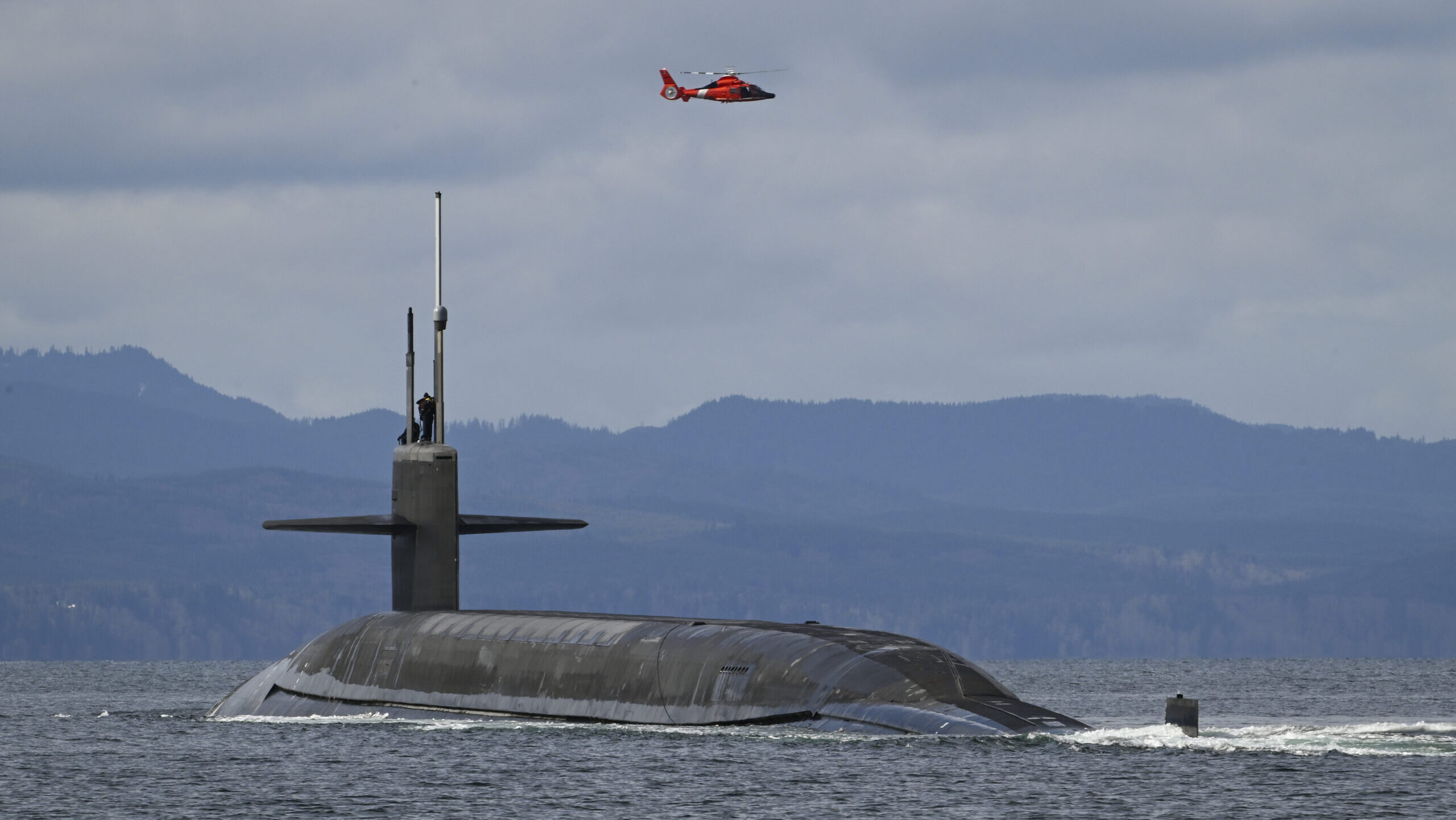
The White House released its National Security Science & Technology Strategy this week, formally naming undersea systems, outer space, and artificial intelligence as the Pentagon's leading military technology priorities. The document, known as the NSSTS, arrives as the Army rolls out concrete programs that reflect exactly those priorities — embedding AI agents into cyber operations and modernizing corps-level command systems with machine-speed decision support.
AI Agents Enter the Cyber Workforce
Army Cyber Command is training AI agents to perform defined cyber "work roles" alongside human operators — a shift from using AI purely as an analytical tool toward deploying it as a functional team member in the cyber mission★. That effort is housed inside Task Force Lexington, which serves as Army Cyber Command's central hub for AI development, including an AI red team capability. The initiative reflects growing institutional confidence that AI can be trained to handle structured cyber tasks with enough reliability to work in concert with human counterparts.
On the command-and-control side, According to Striveworks CEO Jim Rebesco, the models are designed to compress what would otherwise take staff hours of analytical work into seconds. That kind of speed at the corps level — where planning cycles and information demands are already intense — could meaningfully change how commanders receive, process, and act on battlefield information.
A Strategic Framework for Contested Domains
The White House strategy provides the doctrinal scaffolding beneath these programs. By elevating outer space alongside undersea systems and AI as explicit technology priorities, the NSSTS signals that the U.S. government views those domains as both operationally essential and increasingly contested★.
The Army's concurrent work on electronic warfare contingency planning reinforces how seriously the military is taking communication resilience in degraded environments★. As adversaries grow more capable of jamming and disrupting signals, doctrine around maintaining command links under electronic attack has taken on renewed urgency★ — a problem that intersects directly with both the space and AI threads in the broader strategy★.
Taken together, these developments represent less a collection of isolated programs than a coherent institutional shift: the Army and the White House are aligning on the same threat model, prioritizing the same domains, and funding the infrastructure to operationalize that alignment. Whether AI agents in cyber roles and machine-compressed staff work can deliver at the reliability and security standards military operations require remains the central question — but the organizational commitment to finding out is now clear.
★ AI inference: One or more analytical conclusions in this article were drawn by the AI from cited facts and are not directly stated in the cited sources.