
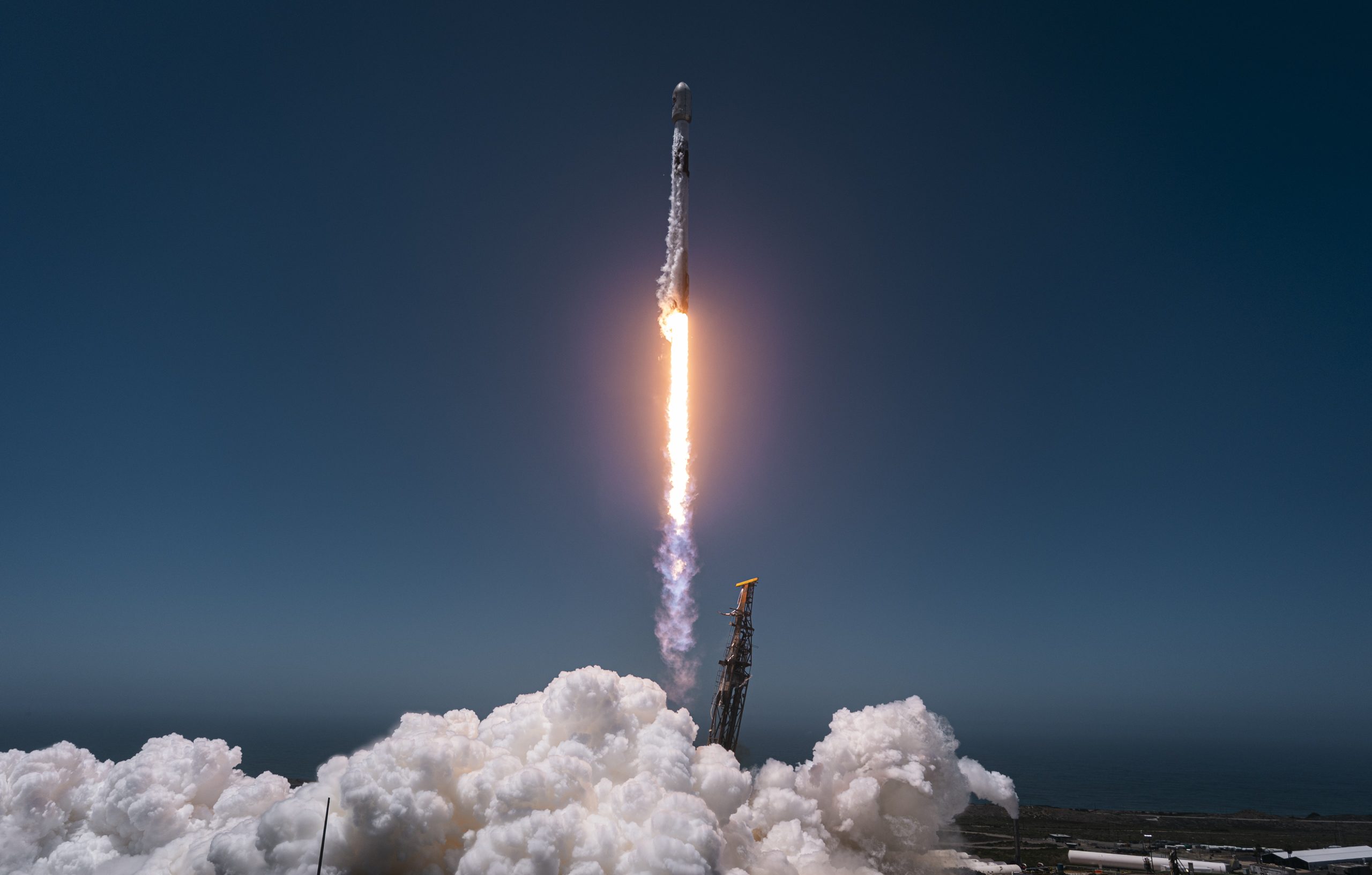
The White House released a new space transportation policy on August 20, 2026, directing federal agencies to help enable at least 1,000 launches and reentries annually by 2030.
SpaceX currently accounts for the largest share of American launch activity, and any path to four-digit annual launch totals would depend heavily on its continued throughput as well as contributions from other commercial providers★.
A Parallel Push on Autonomous Systems
Separately on August 20, senior Trump administration officials gathered with executives from private drone companies for what was described as the first White House 'Drone Dominance' meeting. According to Breaking Defense, the session was focused on aligning government and industry efforts to advance U.S. military drone capabilities★. The meeting signals the administration's intent to formalize an ongoing dialogue between defense-oriented unmanned systems manufacturers and the officials responsible for acquisition and policy.
The two developments—the space launch policy and the drone industry convening—occurred on the same day but reflect distinct policy tracks. The space memo addresses civil and commercial launch infrastructure, while the drone meeting centered on military capability development★. Together, however, they illustrate a broader pattern in the current administration: using direct White House engagement with private industry as a lever for accelerating technology adoption in strategically sensitive domains.
Whether the ambitious 1,000-launch target proves achievable by 2030 will depend on factors the memo cannot fully control, including range infrastructure capacity, workforce availability, and the pace at which commercial providers can scale hardware production. Still, setting a public numerical benchmark represents a meaningful shift in how the federal government is framing its role—from regulator of launch activity to active enabler of volume growth.
★ AI inference: One or more analytical conclusions in this article were drawn by the AI from cited facts and are not directly stated in the cited sources.