
A Landmark Recovery
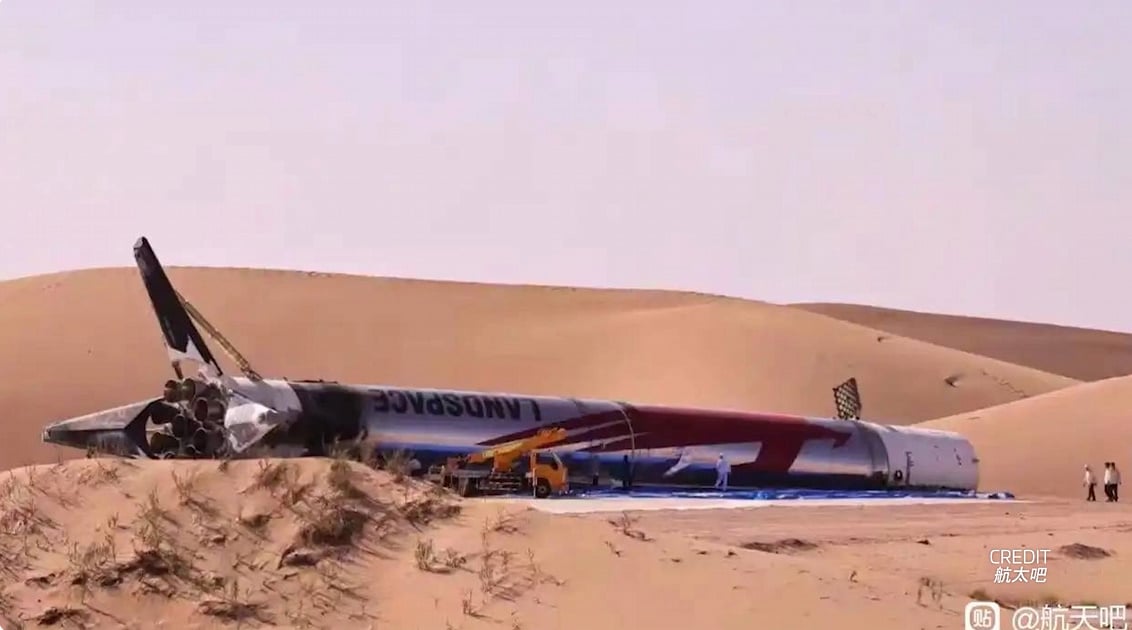
LandSpace, a Chinese commercial spaceflight company, successfully landed the first stage of its Zhuque-3 rocket on Tuesday, August 18, following a launch from the Gobi Desert. The mission was the vehicle's second orbital flight and ended with the booster touching down on land using landing legs — marking the first time China had ever successfully recovered the first stage of an orbital-class launch vehicle in this manner. The achievement places LandSpace among a small group of companies worldwide capable of demonstrating propulsive booster recovery at orbital scale.★
After the Landing: A Setback
The celebration was tempered by a subsequent development: according to NASASpaceFlight.com's reporting published on August 23, the recovered first stage toppled after its otherwise successful touchdown. The circumstances surrounding the tip-over were not detailed in available reporting★, but the incident is a reminder that post-landing stability — securing and safing a booster after propulsive descent — is itself a non-trivial engineering challenge.
Even with the topple, the core achievement stands: Zhuque-3 demonstrated controlled, legs-down booster recovery from an orbital mission, a capability no other Chinese rocket had previously achieved. LandSpace's progress also underscores the broader competitive pressure that Western launch providers face as indigenous Chinese infrastructure matures.★
★ AI inference: One or more analytical conclusions in this article were drawn by the AI from cited facts and are not directly stated in the cited sources.