
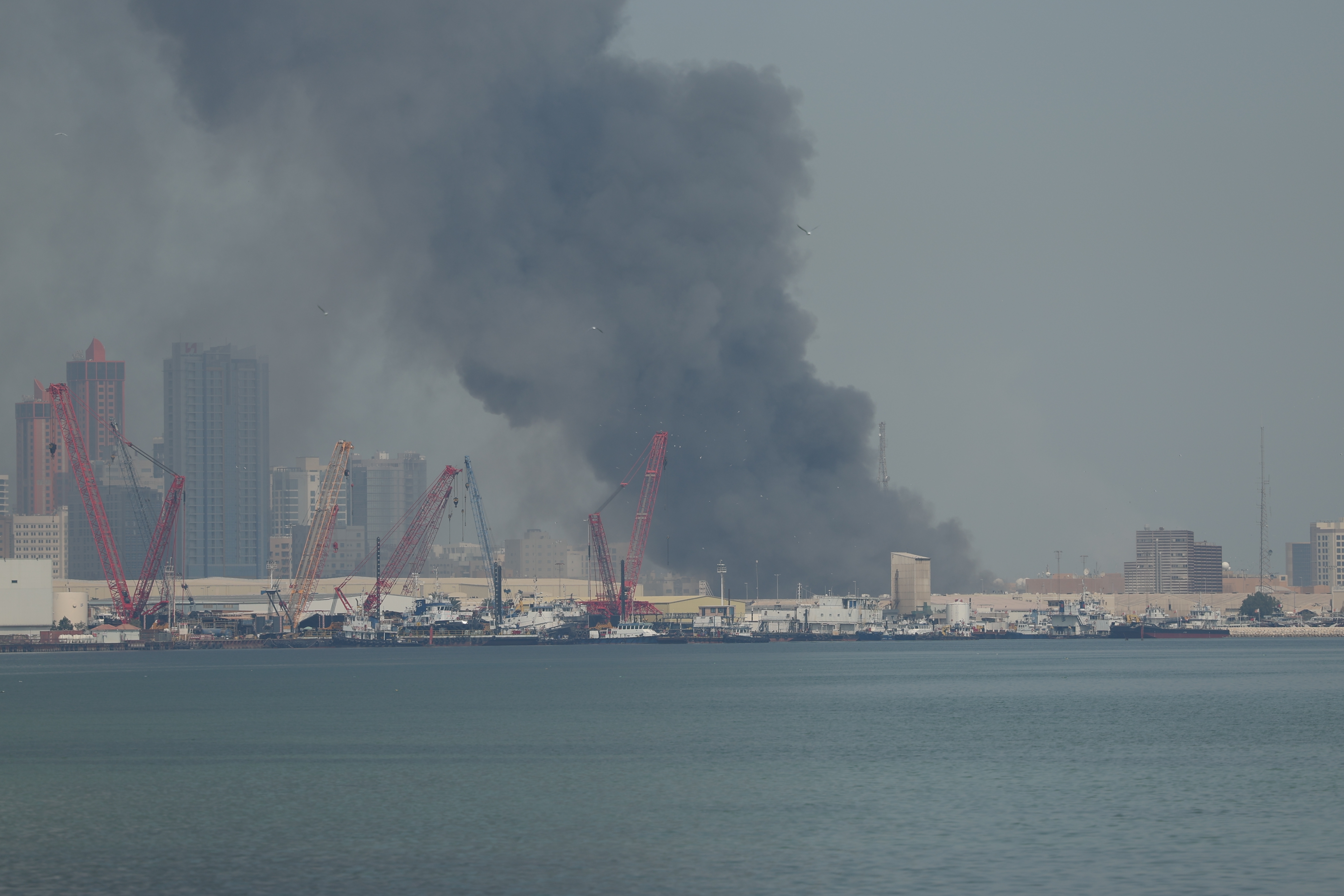
Naval Support Activity Bahrain, the centerpiece of American naval operations in the Persian Gulf★, has sustained significant damage following an Iranian attack, setting off a broader reckoning about the vulnerability of forward-deployed military infrastructure and what the U.S. Navy must do to preserve its regional posture.
The piece, appearing in Defense News, Navy Times, Military Times, and Air Force Times, argued plainly that if the facility is not reconstituted to its pre-attack condition, it will fundamentally alter how the U.S. Navy operates in the Middle East. The author also noted that an Iranian retaliatory strike on the base should not have been a surprise — and put the strategic weight of the loss in stark terms, comparing it to losing an aircraft carrier.
The op-ed framing matters here: these are analytical arguments, not official government assessments. But the core claim — that the degradation of a hub this central to fleet operations carries compounding consequences for readiness, logistics, and partner coordination★ — reflects a concern that appears to be driving real deliberations in Washington.
Rebuild, Revamp, or Relocate?
Reporting from the Times of Israel in late June revealed that U.S. planners were already weighing options well before the latest calls for full reconstitution★. Among the alternatives under consideration: hardening what remains by moving command functions underground, and choosing not to rebuild certain destroyed structures at all. The report also indicated that officials were examining whether to shift Gulf-based assets westward, with Israel cited as one possible destination for relocated facilities.
That range of options illustrates the tension the attack has forced into the open. Rebuilding NSA Bahrain in place restores familiar capabilities but leaves the facility exposed to future strikes in a threat environment that has already proven consequential. Relocating or dispersing functions reduces that exposure but introduces its own political sensitivities, logistical complexity, and gaps in the interim.
The damage to NSA Bahrain, in their view, is not merely an infrastructure problem but a signal about the broader exposure of critical American military assets in contested areas — one that warrants a fundamental reassessment of how the U.S. defends and sustains forward-deployed forces.
★ AI inference: One or more analytical conclusions in this article were drawn by the AI from cited facts and are not directly stated in the cited sources.