
A cluster of defense industry agreements announced on the same day signals a shared strategic logic among allied nations: route critical production through trusted partners, reduce dependence on potentially hostile supply chains, and build redundancy into the platforms that matter most.
The day's announcements spanned three distinct domains. Belgian defense officials framed the deal explicitly as a measure to strengthen European security of supply, an acknowledgment that in-region production capacity for high-demand munitions is now a strategic imperative rather than a procurement afterthought. The agreement is part of a broader wave of industry partnerships Breaking Defense reported alongside it.
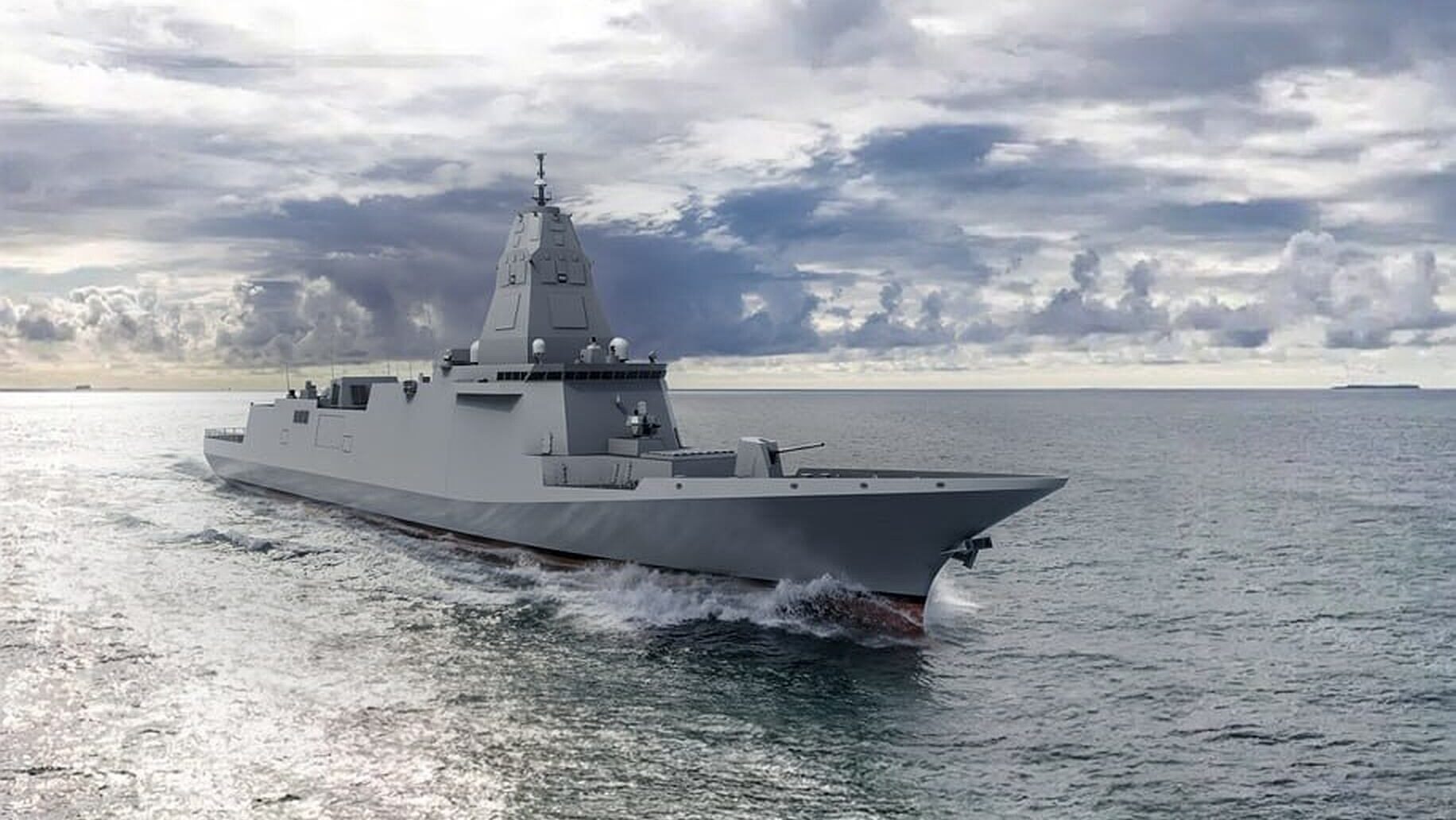
On the naval side, GE Aerospace secured a contract to supply 12 LM2500+G4 marine gas turbine engines for South Korea's six KDDX-class destroyers. Equipping Seoul's next-generation destroyer class with American-built turbines deepens US–South Korean industrial interoperability at a moment when both nations are investing heavily in Indo-Pacific maritime capabilities.
Autonomy Integration and the Industrial Alignment Pattern
The third deal connects two American defense technology companies. Hermeus, the developer behind the Quarterhorse unmanned aircraft, has selected Anduril Industries to provide autonomy systems for the platform. Executives from both companies described the arrangement as mutually beneficial—a pairing that extends Anduril's autonomy stack into a novel unmanned platform while giving Hermeus access to proven integration expertise for autonomous flight★.
Looked at together, the three deals reflect a deliberate industrial realignment rather than coincidence. Local assembly arrangements like the Belgium–India rocket partnership distribute manufacturing risk and build stockpiling capacity closer to potential theaters of use★. Propulsion contracts like the GE–South Korea agreement lock allied platforms onto Western drivetrain standards, reducing the leverage any single supplier or adversary could exert★. And autonomy partnerships like Hermeus–Anduril accelerate the integration of software-defined capabilities across new platforms, compressing the development timeline★.
The fact that all three agreements surfaced in a single news cycle—alongside what Breaking Defense characterized as a broader wave of industry deals—suggests defense primes and government partners are actively coordinating how and when to signal this kind of allied industrial alignment. Whether that coordination is formal or emergent, the direction is consistent: build capacity at home, share it with partners, and reduce the chokepoints that adversaries could exploit.
★ AI inference: One or more analytical conclusions in this article were drawn by the AI from cited facts and are not directly stated in the cited sources.