
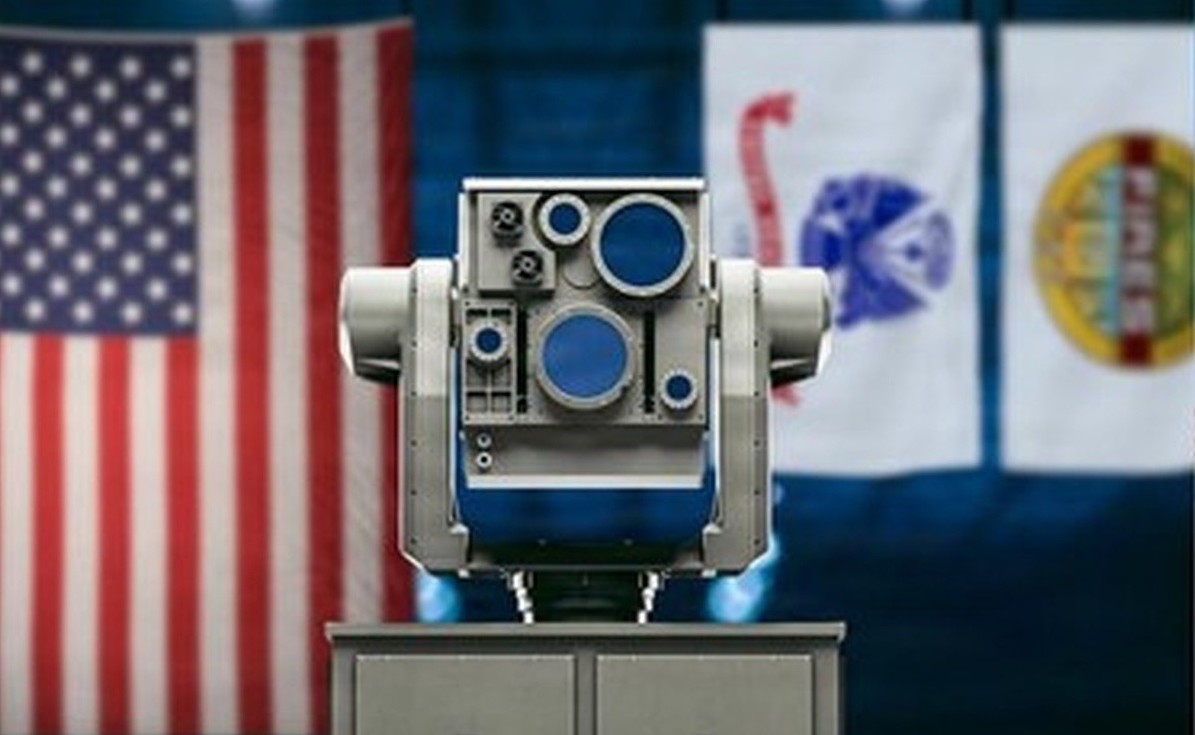
The U.S. Army has awarded AeroVironment, Inc. a $464.8 million production contract for the Enduring-High Energy Laser (E-HEL) program, multiple defense outlets reported this week. The deal is described as the Army's first-ever production contract for a laser weapon system—a distinction that signals a fundamental shift in how the service views directed energy technology: no longer an experimental pursuit, but a committed battlefield capability.
The contract was announced September 2–3, 2026, and confirmed by Defense News, Military Times, RealClearDefense, and DefenseScoop.
From Prototype to Force Structure
For years, directed energy weapons occupied a middle ground in U.S. military development—promising in testing environments but rarely crossing into sustained procurement. The E-HEL contract changes that calculus for the Army. By moving to a program of record with a production award of nearly half a billion dollars, the service is embedding laser weapon capability into its formal force structure rather than treating it as a developmental experiment.
Mary Clum, president of AV's space, cyber and directed energy program, characterized the E-HEL program as historically significant—framing it not merely as a system for neutralizing a specific threat, but as the moment directed energy begins its transition into an enduring part of how the Army equips and defends itself.
Counter-UAS at the Core
The primary mission driving E-HEL is counter-unmanned aerial systems (C-UAS) defense★.
AeroVironment is a notable choice for this contract.
The scale of the E-HEL award—$464.8 million—reflects the scope of the Army's ambition.
For the broader directed energy sector, the E-HEL production award carries significance beyond a single contract. It provides a reference point that laser weapons can complete the journey from research and development through to full production funding—a milestone the industry has long worked toward and that competing programs across the services will likely cite as a precedent.
★ AI inference: One or more analytical conclusions in this article were drawn by the AI from cited facts and are not directly stated in the cited sources.