
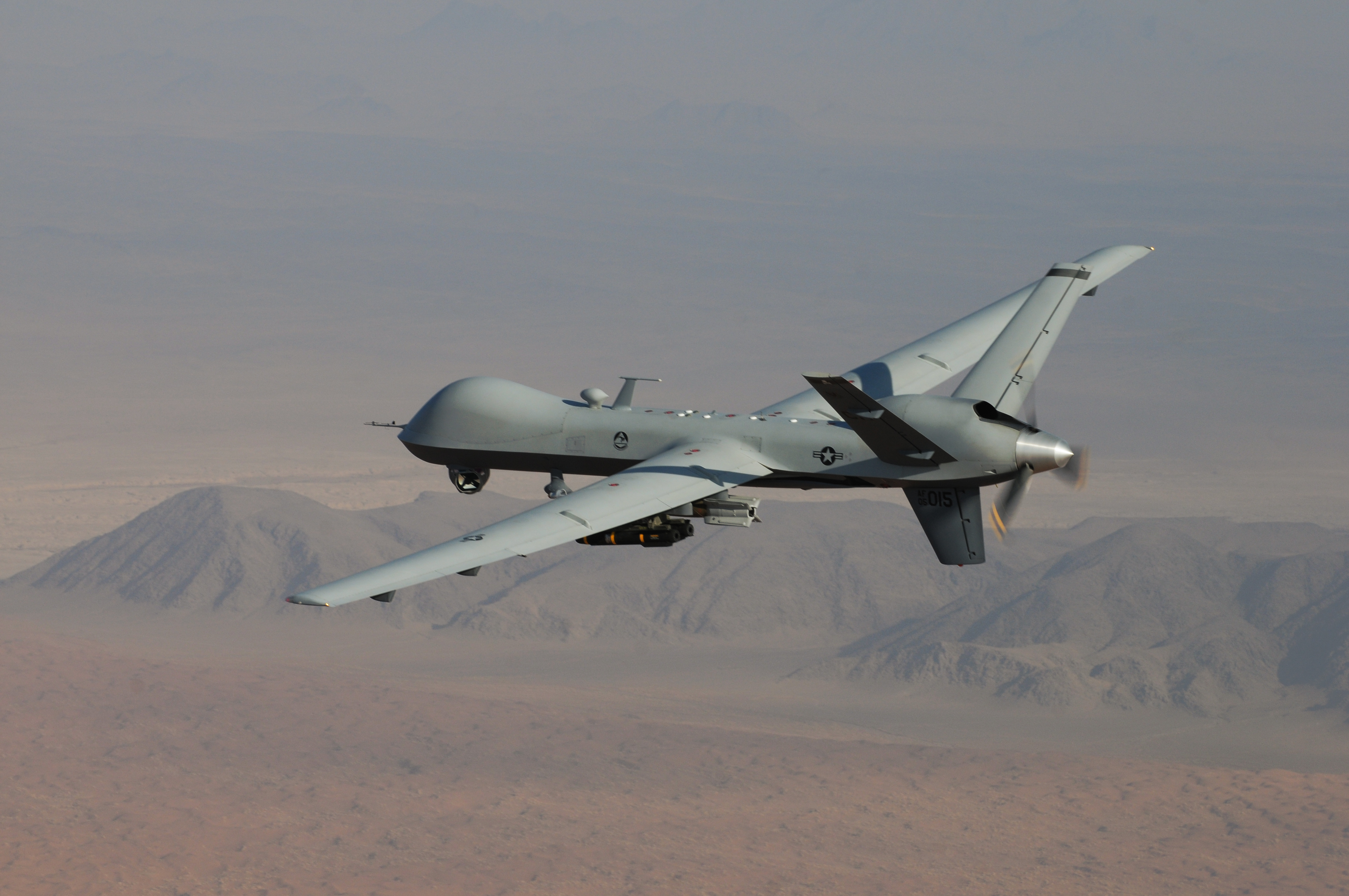
The U.S. Air Force is moving faster than previously planned to field a replacement for its MQ-9A Reaper drone fleet, driven by a blunt operational lesson: losing expensive, high-value unmanned aircraft at scale against a capable adversary is unsustainable. Senior officials confirmed the accelerated timeline on September 3, 2026, with multiple defense outlets reporting the development the following day.
The catalyst is combat attrition. Heavy Reaper losses sustained during operations against Iran have exposed a structural vulnerability in the Air Force's approach to unmanned aviation — a fleet built around relatively costly, irreplaceable assets that adversaries have demonstrated they can target and destroy. The response is a deliberate doctrinal pivot toward a platform designed from the outset to be expendable.
A $10 Million Target and a New Philosophy
Officials are targeting a unit cost of approximately $10 million for the MQ-9A successor — a figure that represents a dramatic reduction from the Reaper's price tag★ and one that signals an intentional design philosophy. A cheaper aircraft is one a commander can afford to risk in contested airspace, and potentially lose, without the same operational and budgetary consequences that attend the destruction of a high-end platform.
This shift reflects broader thinking inside the Pentagon about how unmanned systems need to evolve for near-peer and peer-level conflict. The Iran losses have underscored that operating in a more sophisticated threat environment requires either survivability or affordability, and the Air Force appears to be betting on the latter.
Acceleration, Not a New Program
The key detail here is acceleration, not inception. The service was already pursuing a next-generation unmanned aircraft concept; what the Iran combat experience has done is compress the timeline★, giving the program greater urgency and apparent institutional backing at senior levels. The involvement of top Air Force officials in the September 3 announcement signals that this is now a priority, not simply an ongoing acquisition study★.
The move also carries procurement implications. A $10 million per-unit cost target, if achievable, would allow the Air Force to field far larger numbers of aircraft for the same budget outlay★ — or to absorb attrition rates that would be fiscally catastrophic with current Reaper-class assets★. Whether the defense industrial base can reliably produce a capable unmanned platform at that price point, and at the quantities the Air Force would likely seek, remains an open question that the accelerated program will need to answer.
For now, The Air Force, at least at the leadership level, has made that choice.
★ AI inference: One or more analytical conclusions in this article were drawn by the AI from cited facts and are not directly stated in the cited sources.