
Satellogic is heading into October with two simultaneous announcements that reinforce its position as a defense-focused commercial Earth observation provider: a hardware launch set to expand its constellation's capabilities, and a new agreement with the U.S. Office of Naval Research that extends the company's work on autonomous intelligence systems.
The October Launch and the Merlin Question
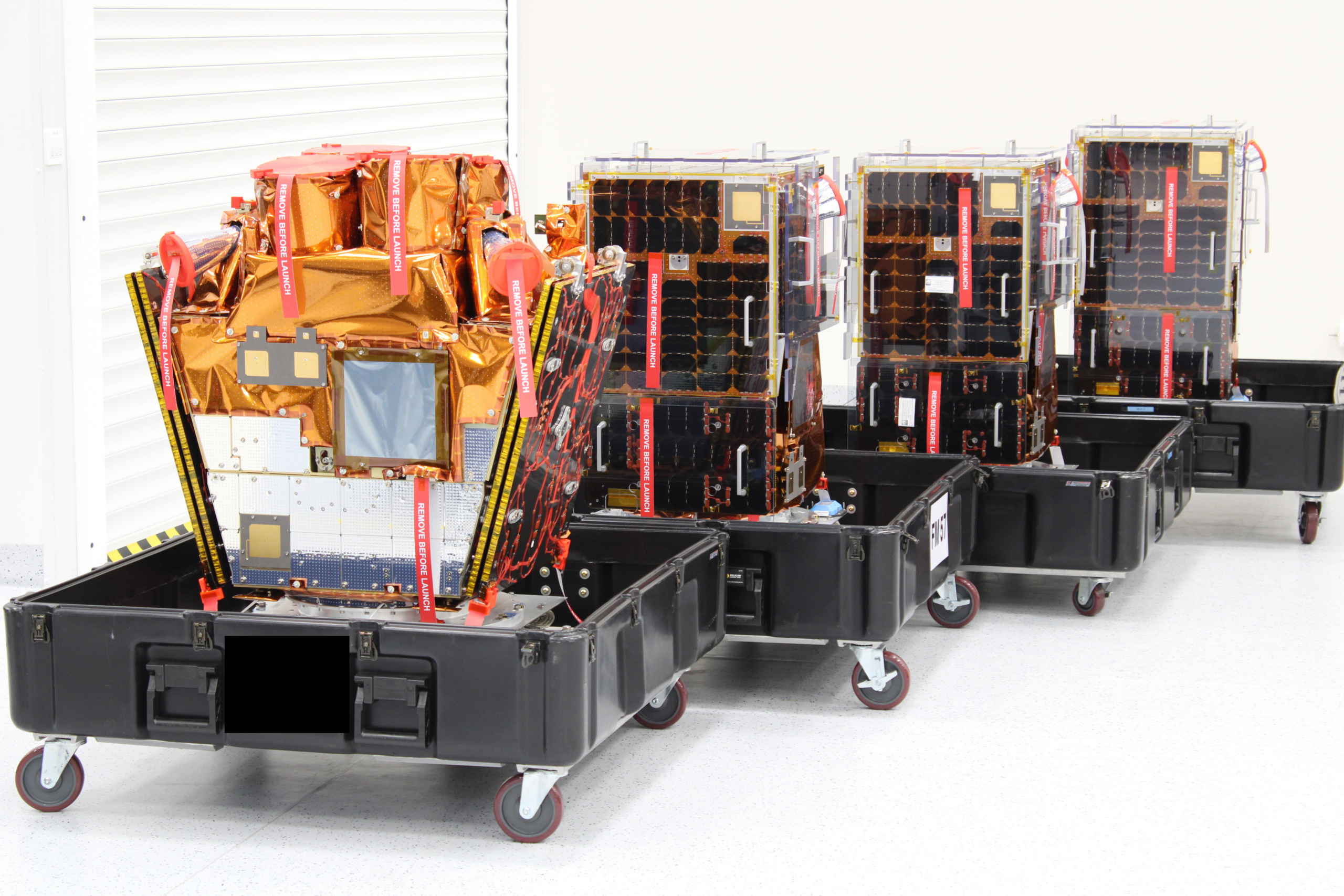
The company has confirmed it will send two NewSat Mark VI satellites — both fitted with inter-satellite link (ISL) technology — along with a NewSat Mark V satellite into orbit in October 2026. The manifest may also include Satellogic's first Merlin spacecraft, a platform designed to gather continuous 1-meter-resolution Earth observation imagery. If Merlin flies as planned, it would mark the company's first deployment of this class of persistent high-resolution EO capability, distinguishing it from the existing constellation in both resolution floor and intended collection cadence★.
The ISL hardware on the Mark VI satellites carries its own operational significance. For defense customers running time-sensitive intelligence, surveillance, and reconnaissance workflows, latency reduction can determine whether imagery is actionable or not.
Deepening the DoD Relationship
On the same day, Satellogic announced an expansion of its Slingshot III program through a new agreement with IDT and the U.S. Office of Naval Research. The deal is aimed at advancing autonomous, low-latency intelligence capabilities, and it covers the integration of six additional Earth observation satellites into the program. The Office of Naval Research's involvement points to an interest not just in raw image volume, but in driving more autonomy into the processing pipeline — reducing the time and personnel overhead required to convert satellite data into usable intelligence.
Taken together, these announcements reflect a broader shift in how U.S. defense agencies are sourcing persistent overhead imagery. Commercial providers are increasingly being integrated into primary intelligence architecture rather than serving as gap-fillers, with defense programs like Slingshot III helping to directly shape commercial capability roadmaps. Satellogic's simultaneous investments in ISL infrastructure, higher-resolution platforms, and institutional defense ties suggest the company is deliberately positioning persistent commercial EO as a standing service layer for military customers rather than a project-by-project supplier.
★ AI inference: One or more analytical conclusions in this article were drawn by the AI from cited facts and are not directly stated in the cited sources.