
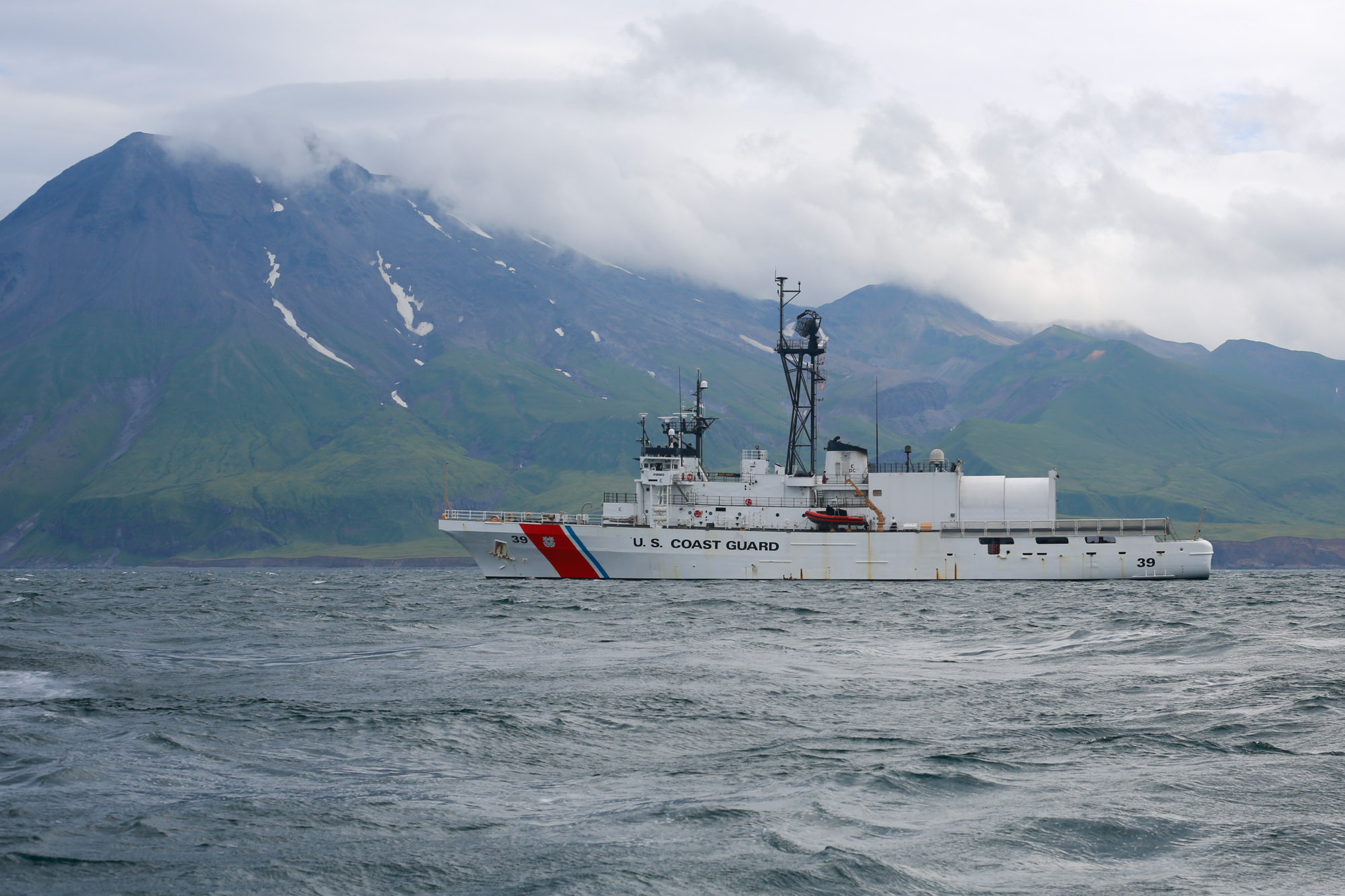
The United States is intensifying its scrutiny of Chinese maritime activity in the Arctic waters off Alaska, with a senior Coast Guard commander publicly framing the situation as a pressing homeland security concern.
Rear Admiral Bob Little, who leads the U.S. Coast Guard's Arctic District, told Reuters that Washington is monitoring China's presence in its Arctic zone "very closely" amid what he described as increasing concerns. The statement marks a notable shift in how senior U.S. military officials are characterizing the Chinese presence in the high north★—not as a peripheral or distant challenge, but as one with direct implications for the U.S. homeland.
A Pattern of Growing Activity
The numbers behind the concern are becoming harder to ignore. According to Little, four Chinese research vessels have operated in U.S. Arctic waters so far in 2026, a pace that nearly matches the five recorded for all of 2025. While the vessels are designated as research ships, their growing frequency of operations in a strategically sensitive region has drawn the attention of U.S. military and coast guard planners.
Threat Perception Shifts Northward
For decades, U.S. strategic attention in the Pacific and Atlantic theaters dominated defense planning. The Arctic was treated largely as a remote, if important, flank. Statements like Little's signal that calculus is changing.
The remarks stop short of alleging specific hostile activity by the Chinese vessels★. Nonetheless, the public acknowledgment of close monitoring—and the direct linkage to homeland security—reflects a broader pattern in which the U.S. defense and intelligence community has moved to treat Arctic domain awareness as a first-tier priority rather than an afterthought★.
★ AI inference: One or more analytical conclusions in this article were drawn by the AI from cited facts and are not directly stated in the cited sources.