
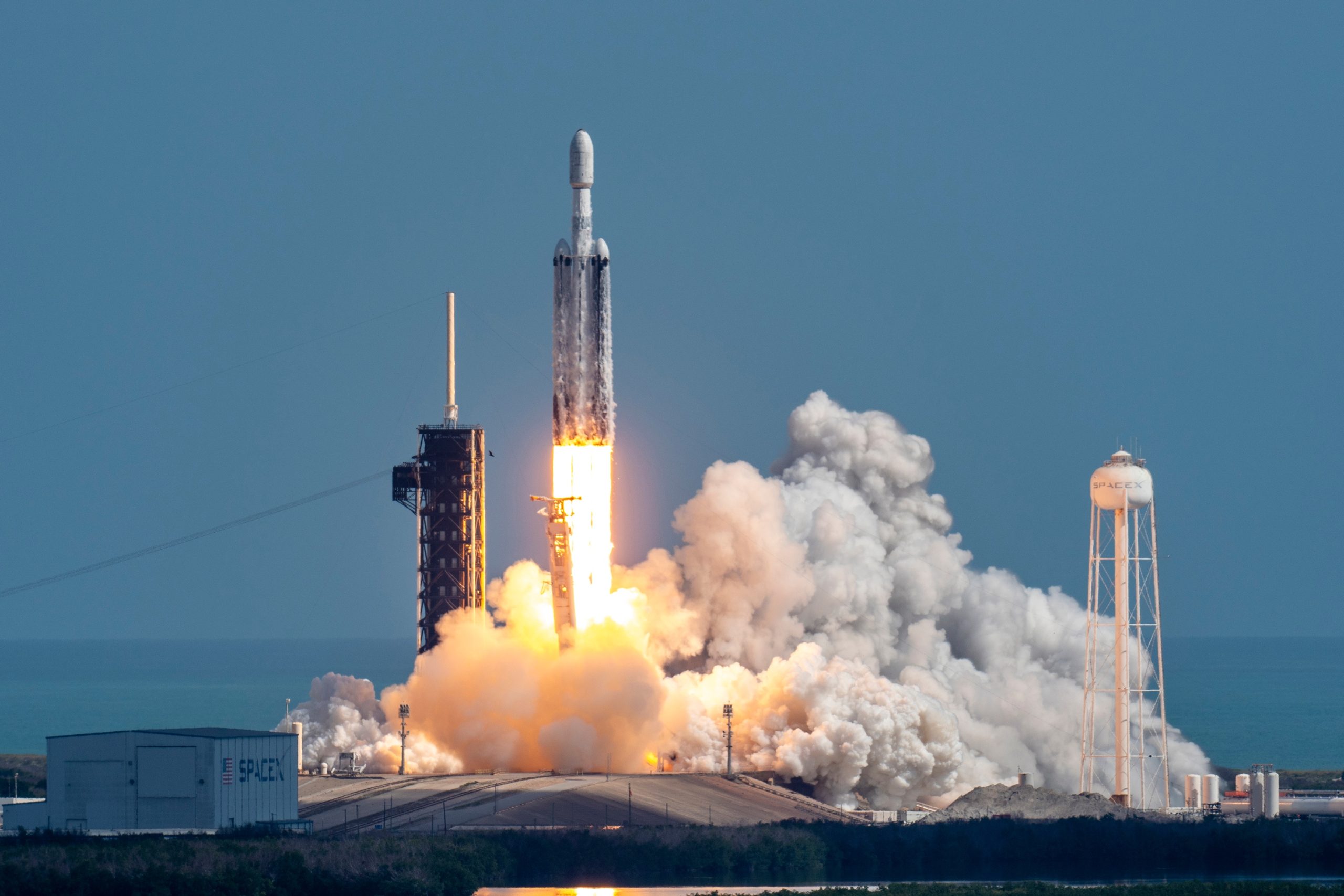
U.S. Spaceports Strained as Launch Demand Surges
NASA's Office of Inspector General released a report on June 22, 2026, warning that the agency's launch infrastructure is aging and increasingly overwhelmed — and that both Kennedy Space Center and Wallops Flight Facility could approach their operational limits before the decade is out.
The numbers behind that warning are stark. Between 2020 and 2025, the volume of launches supported at Kennedy Space Center increased by 252 percent, while Wallops Flight Facility saw an even steeper rise of 467 percent. The OIG projects that growth will continue to accelerate through 2030, driven primarily by a surge in commercial launches.
The report is the latest in a series of signals that the physical infrastructure underpinning the U.S. space industry — launchpads, processing facilities, range systems — was not designed for the cadence now being demanded of it.
A Bottleneck with Strategic Consequences
The implications go beyond scheduling inconvenience. Launch infrastructure functions as a hard ceiling on how many satellites, spacecraft, and payloads the United States can actually get to orbit in a given period.
That kind of stacked manifest, across multiple operators and customers, is now the norm rather than the exception.
The OIG report frames the situation as a structural challenge rather than a temporary spike. Aging ground systems at both Kennedy and Wallops require investment and modernization to keep pace with demand★ — and without that investment, capacity constraints are likely to become a recurring bottleneck rather than an occasional friction point.
What Comes Next
The OIG's assessment is a formal prompt for NASA leadership and Congress to treat launch infrastructure not as a fixed background resource, but as a critical input that requires sustained attention and funding.
For now, the OIG's findings suggest that position cannot be taken for granted as demand continues to outpace the physical infrastructure supporting it.
★ AI inference: One or more analytical conclusions in this article were drawn by the AI from cited facts and are not directly stated in the cited sources.