
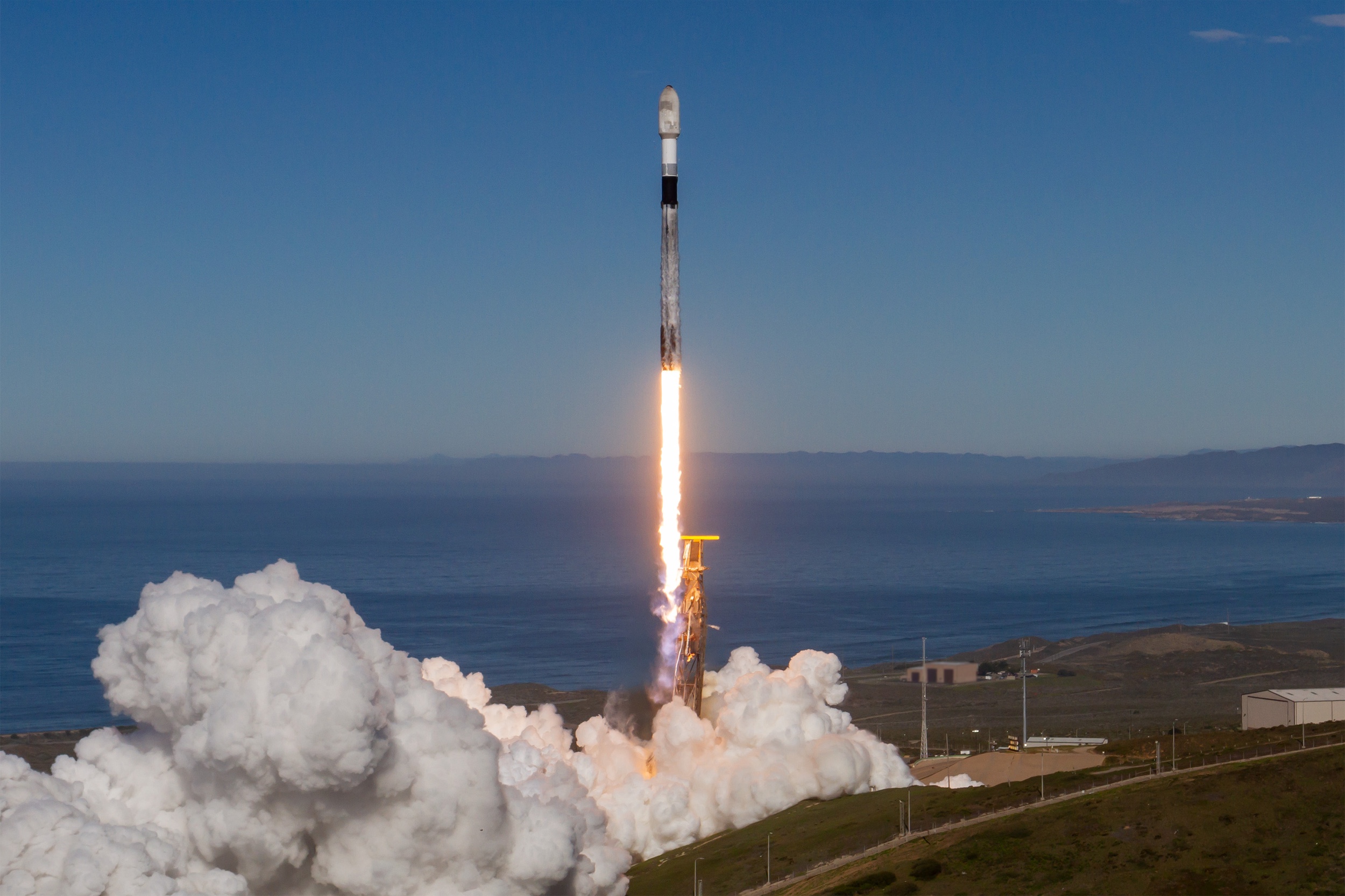
Smallsat Operators Confront a Launch Crunch
For much of the past decade, small satellite manufacturers designed their business models around a straightforward assumption: SpaceX would have room on a Falcon 9. That assumption is now under pressure.
According to a SpaceNews report published June 25, 2026, the smallsat sector is confronting a genuine bottleneck as launch capacity tightens and demand for Falcon 9 slots continues to outpace availability★. Operators that have satellites ready to fly are increasingly finding that access to orbit cannot be taken for granted.
The squeeze has a structural dimension that makes it harder to resolve quickly. Commercial rideshare slots exist within that crowded manifest, but they are no longer reliably available on demand.
Operators Move to Create Their Own Capacity
In response, some rideshare aggregators are taking matters into their own hands. In late May 2026, both SEOPS and Exolaunch announced purchases of dedicated Falcon 9 missions, allowing them to operate as independent rideshare providers rather than relying on SpaceX's own Transporter and Bandwagon schedules. By buying whole rockets, these companies can set their own manifests and offer slots to smallsat customers who might otherwise be left waiting★.
SEOPS is going further still. The company is developing a service called Waymaker, a LEO rideshare program it plans to begin flying in 2028. Company officials have stated publicly that Waymaker is intended, at least in part, to help address shortages in global launch capacity — an explicit acknowledgment that the current market cannot meet demand from the commercial smallsat community.
A Gap Between Now and 2028
The emergence of new rideshare entrants is a meaningful longer-term development, but it does not resolve the near-term crunch. Operators with satellites already integrated and ready to fly face a more immediate problem: and the most promising new pathways are still years from becoming operational★.
For the commercial smallsat sector, the episode represents a broader supply-chain lesson.
Whether the new wave of dedicated rideshare missions and emerging services like Waymaker will be sufficient to close that gap remains an open question — but the direction of travel is clear: the era of assuming SpaceX has a slot available is ending.
★ AI inference: One or more analytical conclusions in this article were drawn by the AI from cited facts and are not directly stated in the cited sources.