
House Panel Backs Space Force Funding, with Strings Attached
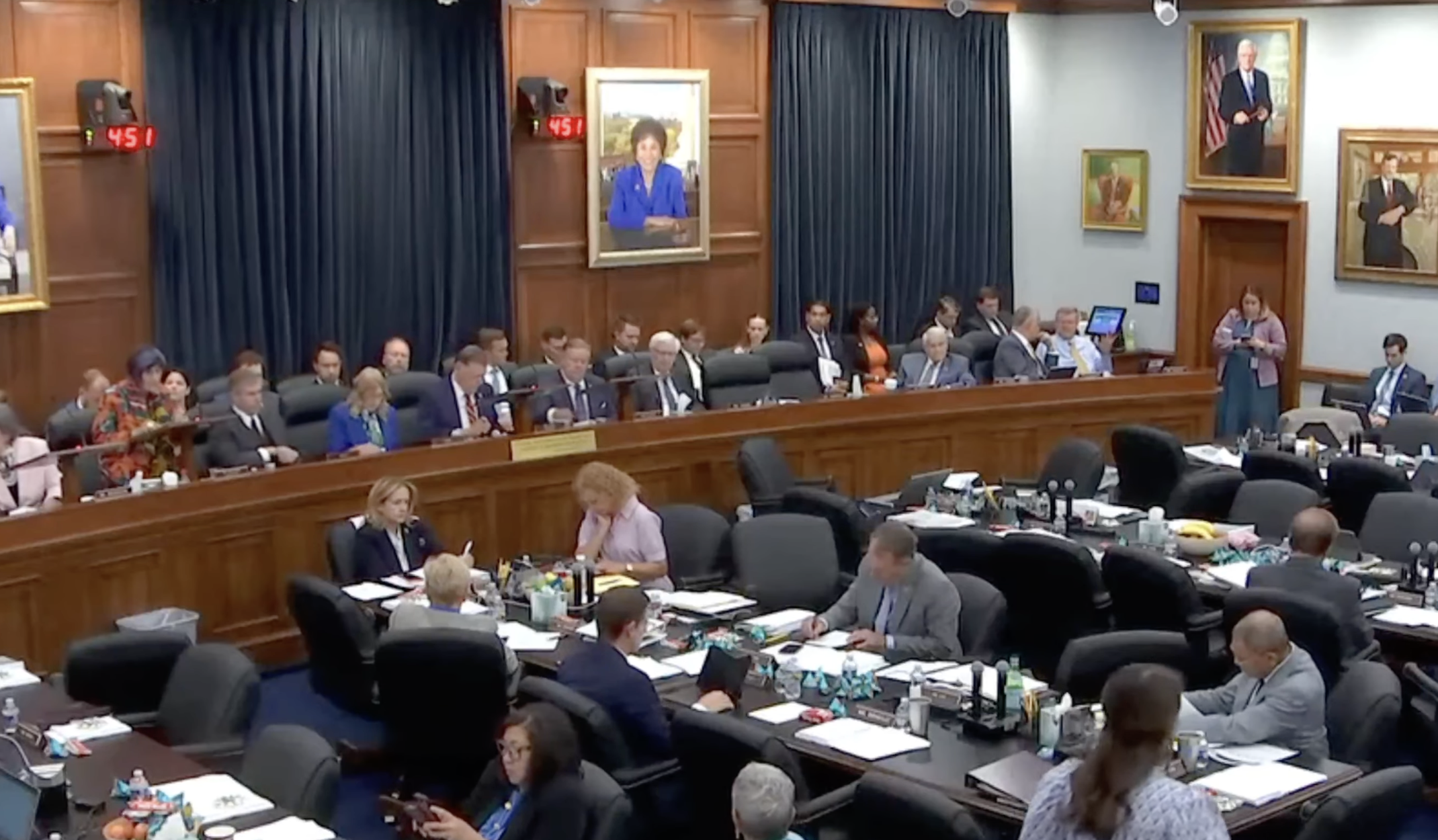
The House Appropriations Committee approved its fiscal year 2027 Defense Appropriations Act on June 25 in a 34-to-27 vote, setting $55.5 billion for the U.S. Space Force as part of a broader $1 trillion defense spending package. The bill advances with notable caveats: lawmakers are pushing back on how money is being spent and demanding a more competitive marketplace for satellite communications.
The committee singled out the satcom sector as an area where the Space Force should do more to open contracts to competition rather than channeling work through a narrow set of providers★.
On that last point, the committee also raised objections to the use of budget reconciliation — a legislative fast-track mechanism — to finance the Golden Dome missile-defense program. The broader FY27 defense bill passed along party lines, with Republicans blocking all Democratic amendments during markup.
NASA Cost Overruns Highlight Execution Challenges
The committee's push for discipline in space spending arrives against a backdrop of documented failures in project management. A separate report released the same day found that four NASA exploration programs canceled earlier this year had collectively ballooned far beyond their original budgets — in several cases more than doubling in cost — with more than $1 billion in additional increases expected. The pattern underscores recurring concerns about cost control across both civil and military space programs.
GPS Vulnerability and the Satcom Industry's Role
While Congress debates procurement structure, the satellite communications industry is grappling with a ground-level operational challenge: the growing threat of GPS jamming and spoofing. Tim Last of Iridium, speaking on the Space Minds podcast on June 25, addressed how satellite-based positioning alternatives and direct-to-device connectivity could help fill gaps when GPS signals are degraded or manipulated★. The conversation reflects broader anxiety in both commercial and defense circles about the reliability of satellite navigation infrastructure — a concern directly relevant to military operations that depend on precise timing and location data.
Botswana Joins Artemis Accords
On the international governance front, Botswana became the latest nation to sign the Artemis Accords. Botswana's signing adds another African nation to the coalition at a moment when international frameworks for both civil and military space activity are under active development.
The Bigger Picture
Taken together, this week's developments paint a consistent picture: Congress is scrutinizing how space defense dollars are allocated and insisting on competitive discipline; NASA's cost-overrun record is sharpening that scrutiny; the satcom industry faces real-world resilience challenges around GPS; and international participation in U.S.-led space governance frameworks continues to grow. Whether the appropriations committee's competition mandate translates into structural changes to Space Force acquisition will depend on how the bill fares in the full House and in subsequent Senate negotiations.
★ AI inference: One or more analytical conclusions in this article were drawn by the AI from cited facts and are not directly stated in the cited sources.