
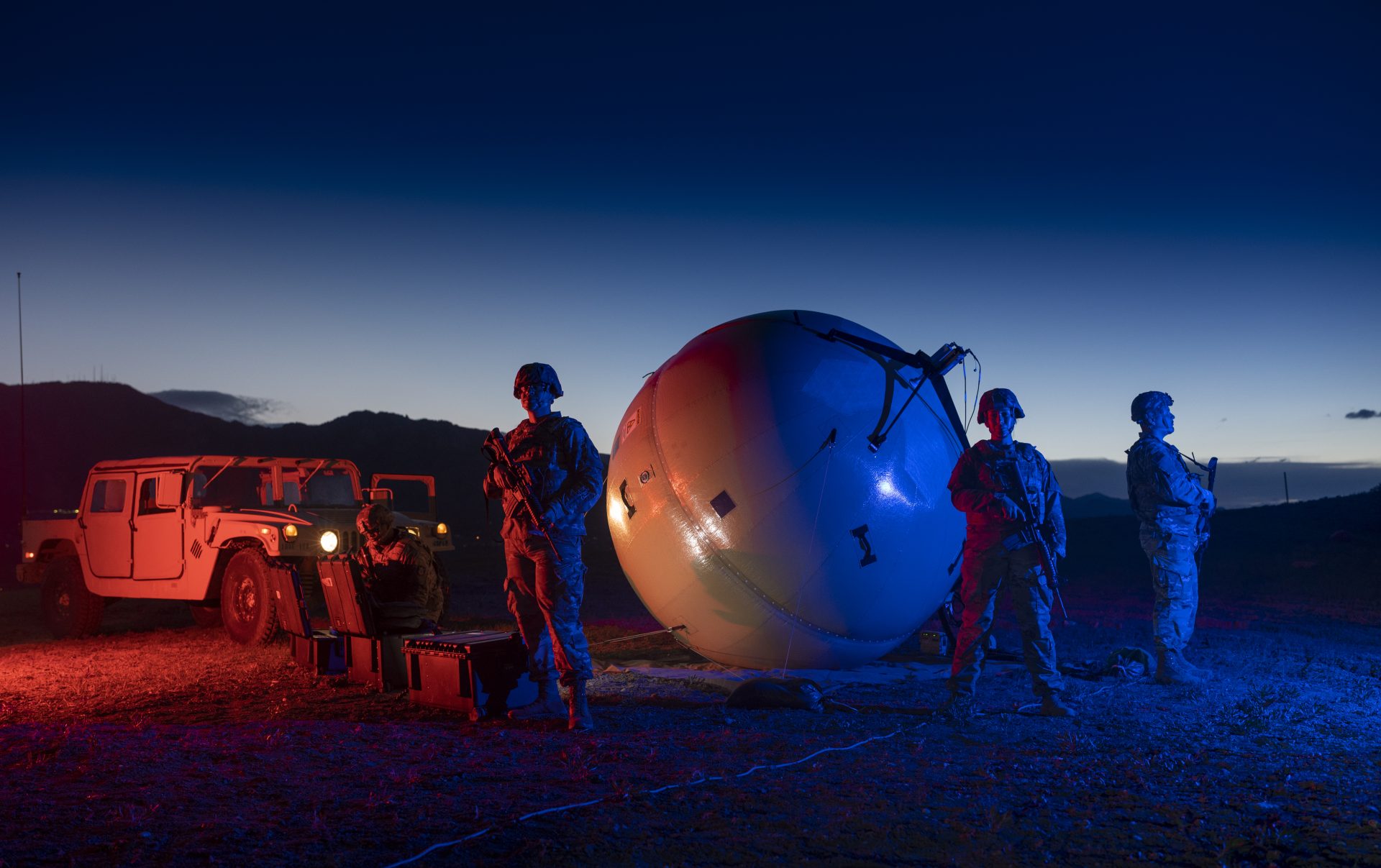
The U.S. Army announced this week the creation of a Space Operations Branch, a dedicated organizational structure intended to generate and sustain specialized space expertise in support of both Army and joint force missions. The move marks one of the more concrete institutional steps the service has taken to treat space as a discrete warfighting domain rather than a niche technical function embedded in other organizations.
According to the Army's official announcement, the branch is designed to produce well-rounded space professionals capable of delivering close space support and space interdiction capabilities — effects that maneuver commanders depend on to gain and maintain the initiative. The service described the branch's purpose in terms of enabling multidomain dominance. DefenseScoop reported that the branch will be equipped to deliver specialized capabilities enabling successful Army and joint force operations.
Who Fills the Branch
The new branch consolidates two existing career fields under a single organizational roof: Army Space Operations Officers and enlisted Tactical Space Operations Specialists, according to Stars and Stripes. That organizational permanence matters: branches signal that a competency is enduring and central to the service's mission, not contingent on a particular program or headquarters★.
Strategic Context
The branch's establishment fits a broader pattern of Army investment in multi-domain capabilities.
The timing also reflects a broader interservice momentum.
The branch's creation does not, on its own, resolve longer-standing questions about resourcing, acquisition, and joint interoperability in contested space environments. But as a formal organizational commitment, it positions the Army to build the human capital necessary for those harder problems — and suggests that space, once peripheral to how the Army thought about itself, is now structurally embedded in the service's institutional identity.
★ AI inference: One or more analytical conclusions in this article were drawn by the AI from cited facts and are not directly stated in the cited sources.