
The 2026 NATO summit, convened in Turkey, has become the staging ground for a set of procurement and industrial decisions that together reflect an alliance actively working to replace legacy systems, strengthen regional surveillance, and reduce reliance on any single supplier.
Most prominently, NATO Secretary General announced the alliance will acquire up to 10 Saab GlobalEye aircraft to replace its aging E-3 Sentry airborne warning and control fleet. The selection of the Swedish-built platform is significant in context: NATO had previously explored the Boeing E-7 Wedgetail for the role before those plans were abandoned, making the GlobalEye award a deliberate turn toward a non-US platform for a foundational alliance surveillance mission★.
Arctic and Maritime Gaps
Denmark announced it will purchase two Boeing P-8 Poseidon maritime patrol aircraft dedicated to Arctic subsurface and surface surveillance.
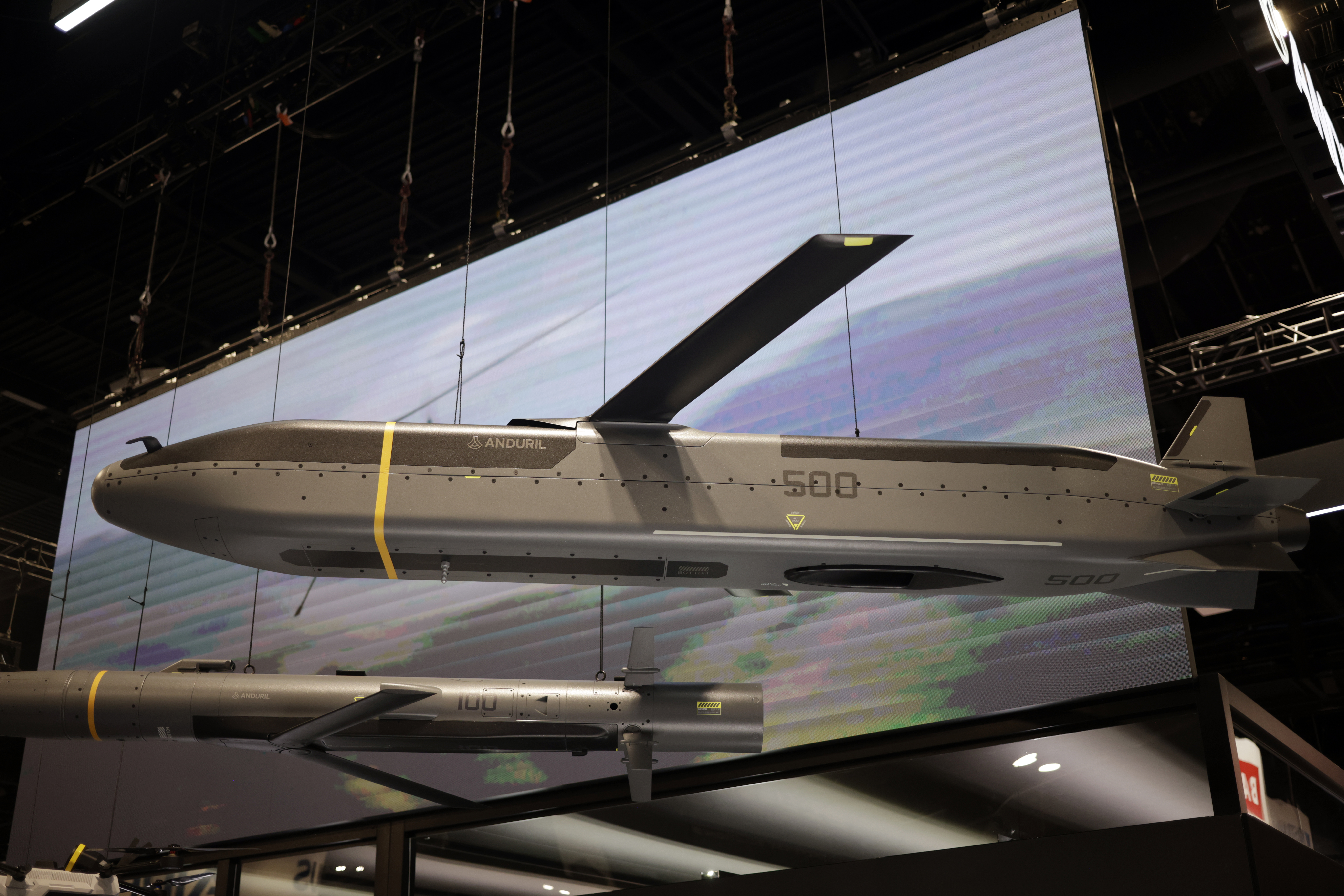
Poland's state defense conglomerate PGZ separately reached an agreement to manufacture Anduril Industries' Barracuda cruise missile on Polish soil. The industrial arrangement carries implications that extend beyond Warsaw: because the weapon would be produced within the European Union, it could qualify for purchase by other EU member states through an EU lending mechanism, effectively opening a European procurement pathway for an advanced strike capability without requiring direct US government-to-government sales★.
Alliance Dynamics and Turkey's F-35 Question
The summit has also brought renewed attention to a longer-running geopolitical thread.
Taken together, the week's announcements reflect an alliance in deliberate transition. Replacing the E-3 with a European-built platform, bolstering Arctic undersea awareness, and establishing in-continent production of advanced missiles each address a distinct capability gap — but collectively they point toward a NATO working to broaden its industrial and procurement base as strategic competition with Russia continues to set the pace of modernization.
★ AI inference: One or more analytical conclusions in this article were drawn by the AI from cited facts and are not directly stated in the cited sources.