
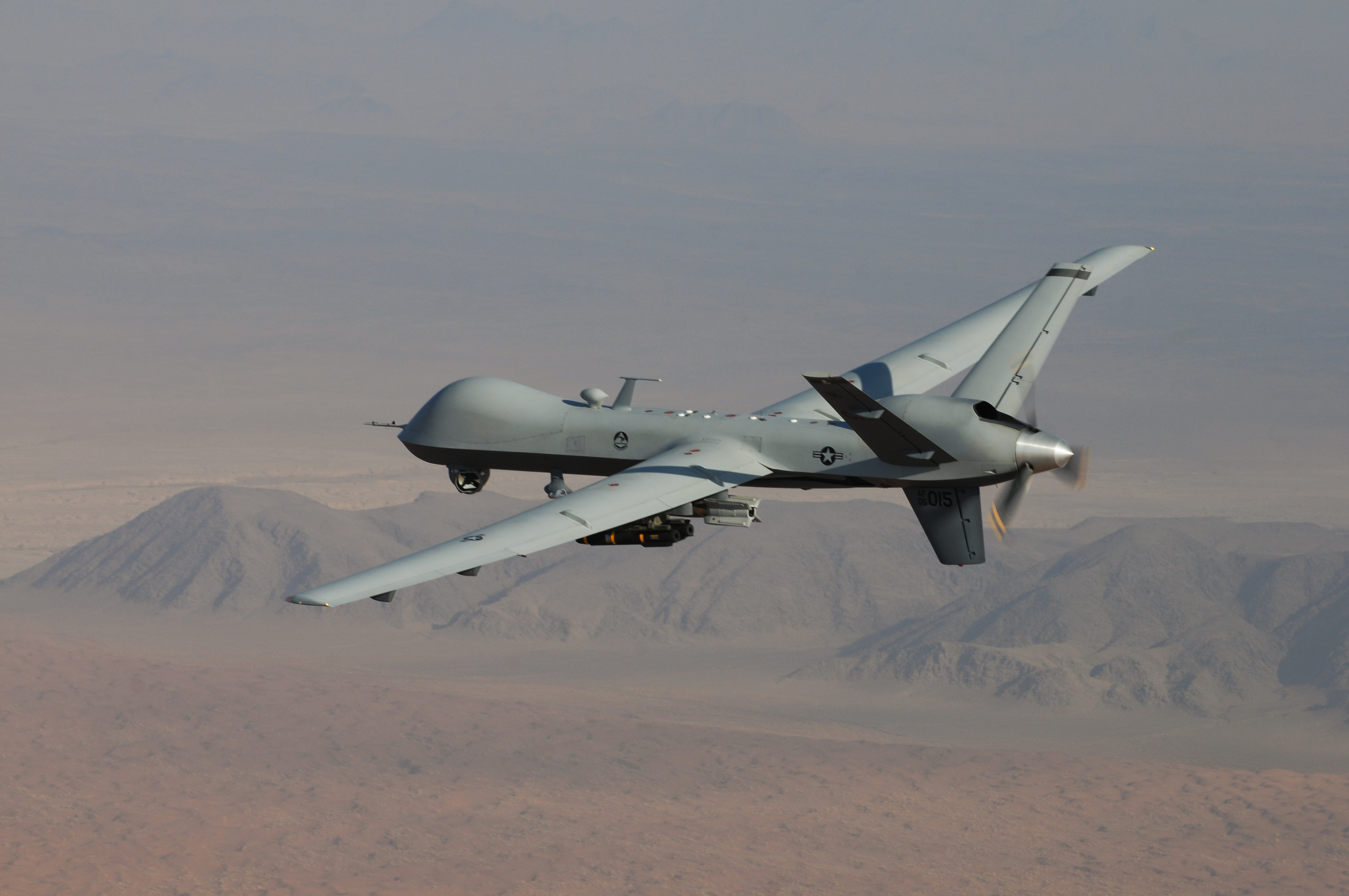
The Pentagon is exploring a significant departure from its long-standing reliance on expensive, individually survivable unmanned aircraft. Through an initiative called the Massed Modular Aircraft (MMA) program, the Defense Innovation Unit is seeking to develop cheaper drone platforms capable of carrying out missions currently assigned to the MQ-9 Reaper — at a fraction of the cost and in dramatically larger numbers.
The core logic of the program is attrition tolerance. Rather than protecting a small number of high-value aircraft from being shot down, the MMA concept assumes losses will occur and designs around them: field enough drones that even a degraded swarm can still overwhelm adversary defenses. Pentagon planners have described the current approach — built around low-density, high-value platforms — as unsustainable when facing the layered air defense networks fielded by near-peer competitors.
A Doctrine Built for Mass, Not Stealth
The MMA program addresses a gap in the existing drone landscape★. The Massed Modular Aircraft concept targets that middle ground: platforms capable enough to perform Reaper-class missions, but cheap enough to deploy in the kinds of numbers that make attrition a manageable operational cost rather than a strategic loss★.
The shift reflects a broader reassessment within the Pentagon of how air power should be structured against adversaries whose integrated air defense systems are specifically designed to defeat small numbers of sophisticated aircraft. By flooding those defenses with more targets than they can engage simultaneously, swarm-based doctrine attempts to achieve effects through volume rather than platform superiority★.
★ AI inference: One or more analytical conclusions in this article were drawn by the AI from cited facts and are not directly stated in the cited sources.