
The European commercial space industry has compressed years of incremental progress into a single fortnight. Over roughly two weeks in September 2026, three European companies—Open Cosmos, The Exploration Company, and Bulgarian satellite manufacturer EnduroSat—each announced nine-figure funding rounds, pulling more than a billion dollars into the continent's space sector in quick succession★. That capital wave arrived just as Isar Aerospace crossed the threshold that investors and customers had been waiting years to see: a successful trip to orbit.
A Surge of Capital
EnduroSat's $205 million raise was the third such European nine-figure round in two weeks, following Open Cosmos' roughly $349 million raise and The Exploration Company's $450 million Series C. EnduroSat, which offers a "constellation-as-a-service" model and is scaling satellite production on both sides of the Atlantic, simultaneously secured the Vantor Sat contract—adding immediate commercial traction to the capital infusion. The back-to-back announcements signal that institutional investors now view European space infrastructure as a category, not just a collection of individual bets.
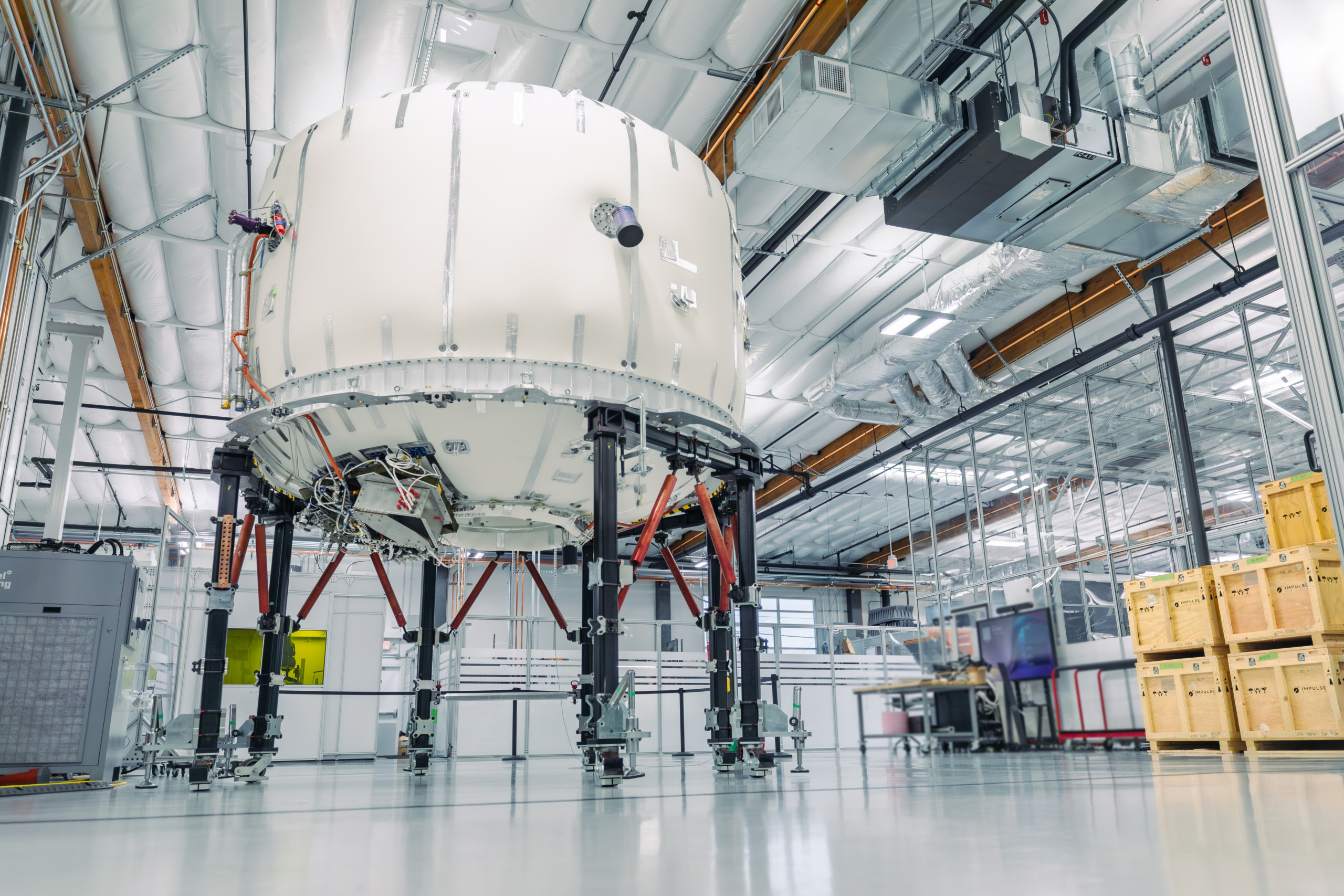
Adding further context to the broader investment environment, U.S.-based Impulse Space announced a $308 million extension to its Series D, bringing that round's total to $808 million—underscoring that the appetite for launch-adjacent and in-space logistics companies extends well beyond any single geography.
Isar Proves the Business Case
On September 5, Isar Aerospace became the first European launch startup to reach orbit, succeeding on its second launch attempt with its Spectrum rocket. The commercial response was swift. Within days, rideshare provider SEOPS had signed a five-launch contract for Spectrum, a deal announced during World Space Business Week. The agreement suggests that satellite operators who have historically routed payloads through American or other non-European vehicles are now prepared to commit to a homegrown alternative—provided it has demonstrated it can actually reach space.
That willingness to commit quickly matters for Europe's strategic position. The continent has long aspired to independent launch capacity and indigenous satellite manufacturing as pillars of both economic competitiveness and resilience, but aspiration and commercial reality have often diverged. The current moment—capital flowing in, an orbital milestone banked, and a launch manifest already building—represents the clearest signal yet that the European commercial space ecosystem is moving from development phase toward operational scale. Execution risks remain, and established U.S. and Chinese providers are not standing still, but the structural case for a credible third option in space infrastructure is now stronger than it has ever been.
★ AI inference: One or more analytical conclusions in this article were drawn by the AI from cited facts and are not directly stated in the cited sources.