
Four distinct but related developments this week suggest the commercial space sector is entering a new phase of maturity—one where smallsat launch, on-orbit power, and autonomous spacecraft operations are progressing in concert rather than in isolation.
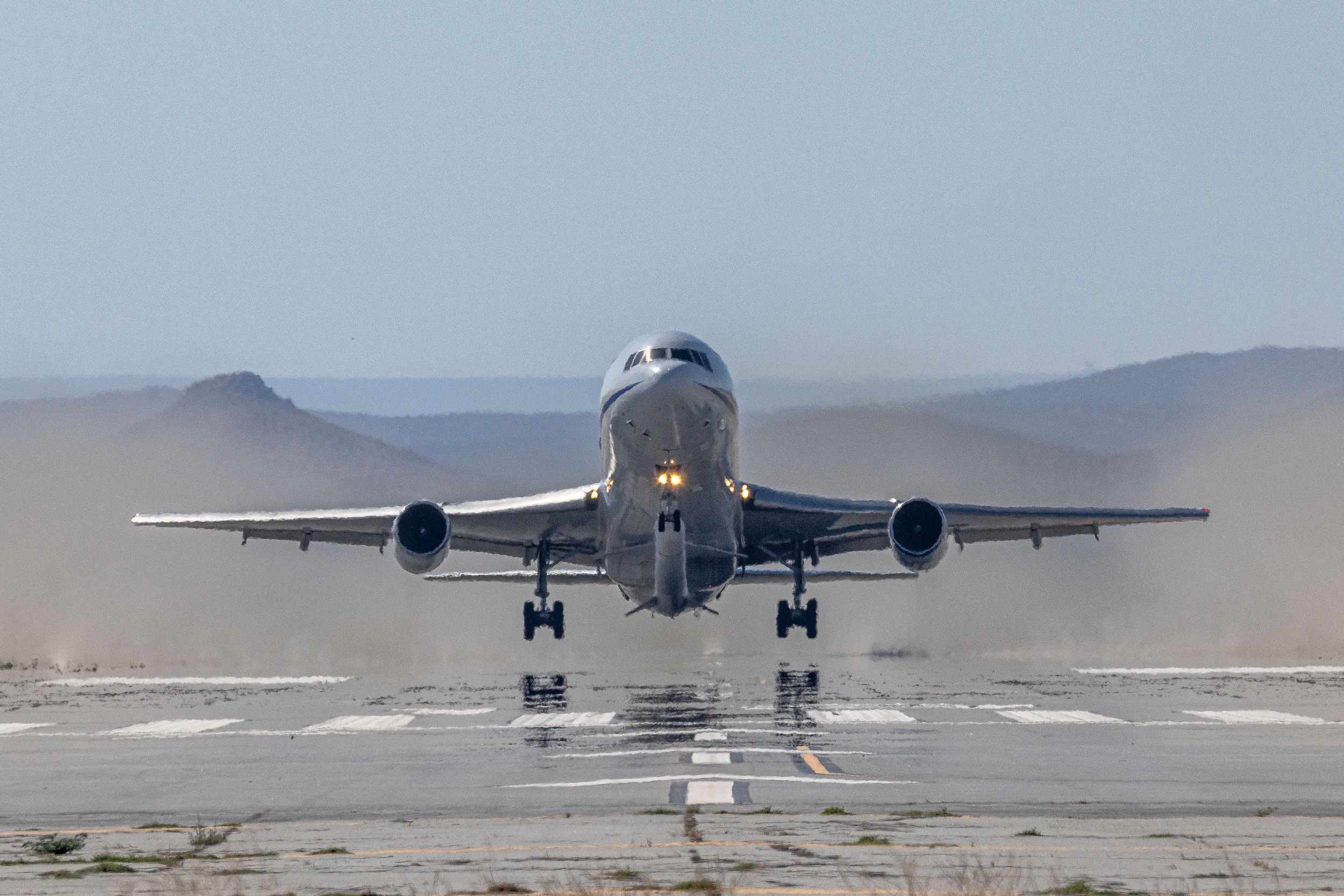
The most historically charged event was the Pegasus XL's execution of a reboost mission for NASA's Swift space telescope. The air-launched vehicle successfully boosted the aging astrophysics spacecraft to a higher orbit, extending its operational life.★ SpaceNews characterizes this as what may be the final Pegasus flight; Space.com is more definitive, describing it as the rocket's last.
Power and Launch Infrastructure Expanding
On the power side, Verde Technologies is redirecting its commercial focus from terrestrial rooftop applications toward space, targeting orbital data centers and large satellite constellations as early customers for perovskite-based thin-film solar panels.
Isar Aerospace, meanwhile, secured a contract from Planet's German subsidiary to launch an imaging satellite aboard its Spectrum rocket. The deal carries significance beyond its commercial terms: with both the satellite and the launch vehicle developed and operated within Germany, the arrangement demonstrates an end-to-end European space capability. For Planet, it represents a path to orbit that doesn't depend on non-European launch providers.★ For Isar, winning an established Earth observation customer adds meaningful credibility to Europe's emerging independent smallsat launch ecosystem.★
Autonomous On-Orbit Services Clear a Government Benchmark
Perhaps the most operationally revealing development involved autonomous spacecraft proximity operations. True Anomaly's Jackal vehicle approached and captured imagery of a Rocket Lab spacecraft in orbit—a demonstration of controlled rendezvous that has clear applications for both commercial servicing and national security missions★. Space Systems Command had set a 72-hour window for True Anomaly to complete the tasking; the company delivered results in 61 hours, finishing 11 hours early. TechCrunch reported separately that private operators are now conducting orbital missions directly in support of the U.S. Space Force, reinforcing how quickly the boundary between commercial development and government operational use is eroding.
Taken together, these developments reflect a broader structural shift. The building blocks of a resilient, distributed satellite infrastructure—agile launch vehicles, efficient on-orbit power, rapid imaging, and autonomous inspection—are not maturing in sequence but simultaneously, compressing the timeline for fielding systems that can be deployed, serviced, and adapted faster than legacy architectures allow.
★ AI inference: One or more analytical conclusions in this article were drawn by the AI from cited facts and are not directly stated in the cited sources.